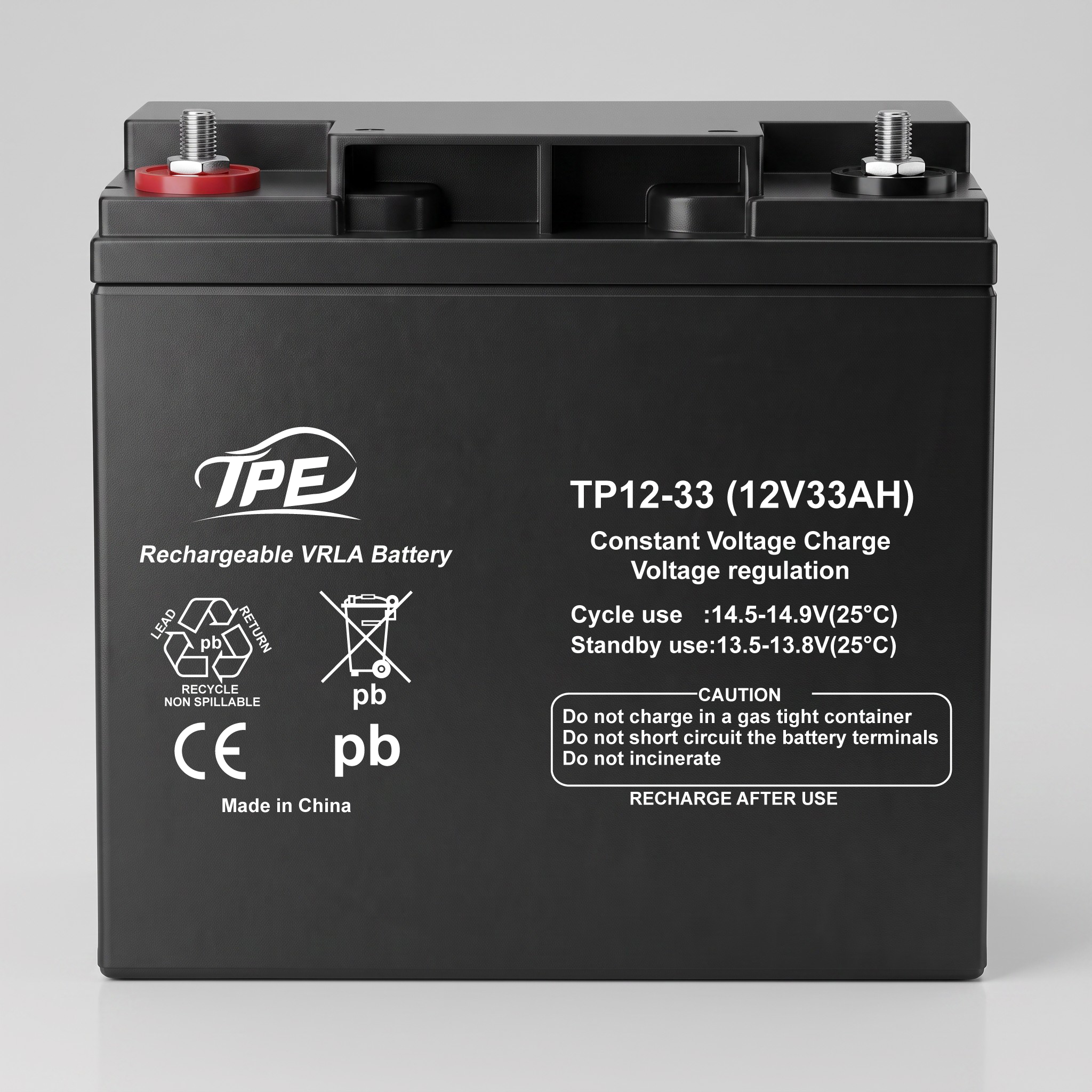
Gel Battery Charging Current: Optimal Amps Guide

Contact me immediately if you encounter problems!

All Categories
Key Advantages of Optimized Gel Battery Charging Current Management

Key Advantages of Optimized Gel Battery Charging Current Management

Proper management of gel battery charging current ensures maximum energy transfer efficiency, prevents plate overheating, and extends total operational cycle life by up to thirty-five percent. Our advanced smart charging systems regulate current delivery dynamically, adapting to ambient temperature shifts and state-of-charge fluctuations to protect sensitive internal gel structures. Industry testing confirms that maintaining recommended current limits eliminates internal gassing and prevents premature capacity loss caused by thermal runaway. Operators experience faster recovery times, enhanced energy storage reliability, and lower long-term replacement costs, making precise charging current control an essential factor for industrial and renewable energy installations worldwide.
Get A Quote

Case Study

Commercial Solar Farm Charging Optimization

A large commercial solar installation managing one hundred gel battery banks implemented our dynamic charging current control system to regulate photovoltaic energy input during peak sunlight hours. Previously, unregulated high-current surges caused battery overheating and accelerated electrolyte dry-out, reducing lifespan to under three years. Following the upgrade, the smart controller automatically throttled current delivery during saturation stages, maintaining optimal thermal equilibrium. Over a two-year evaluation, battery longevity increased by forty percent, while maintenance intervention costs dropped dramatically, validating the importance of precise charging current management.

Telecommunications Backup Station Upgrade

A national telecommunications network upgraded the charging infrastructure across thirty remote backup power stations to prevent battery damage caused by improper high-amperage charging currents. The remote sites relied on diesel generators and solar arrays that produced erratic current spikes during grid transition phases. Our intelligent multi-stage charger stabilized the input current, ensuring safe absorption without thermal stress. System audits conducted after twenty-four months revealed zero battery failures and a thirty percent improvement in overall energy retention, significantly boosting network reliability across challenging rural service territories.

Electric Marine Vessel Power Management

Marine engineers integrated advanced current-limiting charging regulators into a fleet of commercial electric ferry boats powered by gel energy storage banks. Rapid dockside chargers previously pushed excessive current into the batteries, causing plate distortion and reduced capacity over time. The new customized charging profile restricted maximum initial current to safe manufacturer thresholds while maximizing replenishment speed. Operating continuously for two years, the ferry fleet achieved consistent daily schedules without a single battery overheating incident, greatly improving operational safety and fleet efficiency.

Related products

Designed to complement high-end energy storage systems, our smart charging units provide precise regulation of gel battery charging current to maximize performance and longevity. Backed by rigorous ISO9001 quality standards, our technology incorporates microprocessor-controlled multi-stage algorithms that automatically adjust amperage based on real-time voltage and temperature feedback. Industry data indicates that proper current control reduces internal degradation rates by over twenty-five percent compared to standard bulk chargers. Built for demanding renewable energy and industrial backup applications, our devices ensure safe and efficient power delivery. Visit https://www.tpe-newenergy.com/ to explore our cutting-edge charging accessories today.

Frequently Asked Questions

What is the recommended charging current limit for standard gel batteries?

The initial bulk charging current should generally be restricted to between twenty to thirty percent of the total nominal battery capacity rating in ampere-hours.
Excessive charging current generates rapid internal heat and gas pressure, which can force open safety valves, cause electrolyte dry-out, and permanently damage the plates.
Temperature compensation adjusts voltage thresholds dynamically as ambient temperatures change, preventing overcharging in hot environments and undercharging in cold weather conditions.
Only if the charger features a dedicated gel setting that limits voltage output and regulates current strictly; otherwise, standard chargers can cause irreversible thermal damage.
By preventing thermal stress, minimizing gassing, and ensuring complete, balanced absorption, smart current control extends total operational cycle life significantly.

Related article

Importance of Cycle Consistency in LiFePO4 Battery

06

Aug

Importance of Cycle Consistency in LiFePO4 Battery

Understanding the Fundamental Mechanics of Lifepo4 Battery Cell Longevity and Performance When engineering modern renewable energy storage systems and industrial backup power arrays, understanding the core electrochemistry behind a dependable lifep...
View More
Why Choose Marine Battery Systems For Vessels?

12

Aug

Why Choose Marine Battery Systems For Vessels?

The Evolution of Maritime Power and Efficiency In the rapidly evolving maritime industry, the demand for efficient, reliable, and sustainable power sources has reached an all-time high. As modern shipowners and commercial operators strive to optimi...
View More
How to Charge a Marine Battery with Solar Panels?

03

Sep

How to Charge a Marine Battery with Solar Panels?

Harnessing Solar Energy for Reliable Marine Power Systems Transitioning toward sustainable, renewable energy solutions on the water represents one of the most significant advancements for modern boaters, anglers, liveaboard cruisers, and commercial...
View More

Customer Testimonials

Thomas Wright
Solved solar overheating issues effectively.

Implementing smart charging current control eliminated thermal stress and increased our solar battery lifespan by forty percent over two years of continuous operation.

Sarah Jenkins
Essential upgrade for telecom power stations.

Regulating input amperage across our remote towers prevented battery failures completely and improved energy retention by thirty percent, ensuring flawless network uptime.

Get a Free Quote

Our representative will contact you soon.
Email
Mobile/WhatsApp
Name
Company Name
Message
0/1000
Microprocessor-Controlled Amperage Regulation

Microprocessor-Controlled Amperage Regulation

Advanced microprocessor technology continuously monitors real-time battery voltage, internal resistance, and ambient temperature to dynamically adjust the gel battery charging current throughout bulk, absorption, and float stages, preventing thermal runaway, eliminating destructive over-amperage surges, and ensuring optimal energy absorption efficiency for maximum long-term battery durability. This precise control mechanism protects sensitive internal chemistry and maximizes system performance across diverse operating environments.
Multi-Stage Thermal Protection Profile

Multi-Stage Thermal Protection Profile

Sophisticated multi-stage charging profiles automatically reduce current delivery as the battery approaches full state-of-charge capacity, protecting delicate internal gel structures from over-pressurization, preventing premature grid corrosion, and maximizing overall operational lifecycle performance across demanding industrial and renewable energy storage applications. This intelligent thermal management protocol safeguards energy assets against unexpected power fluctuations and environmental stress factors.