 EN
EN

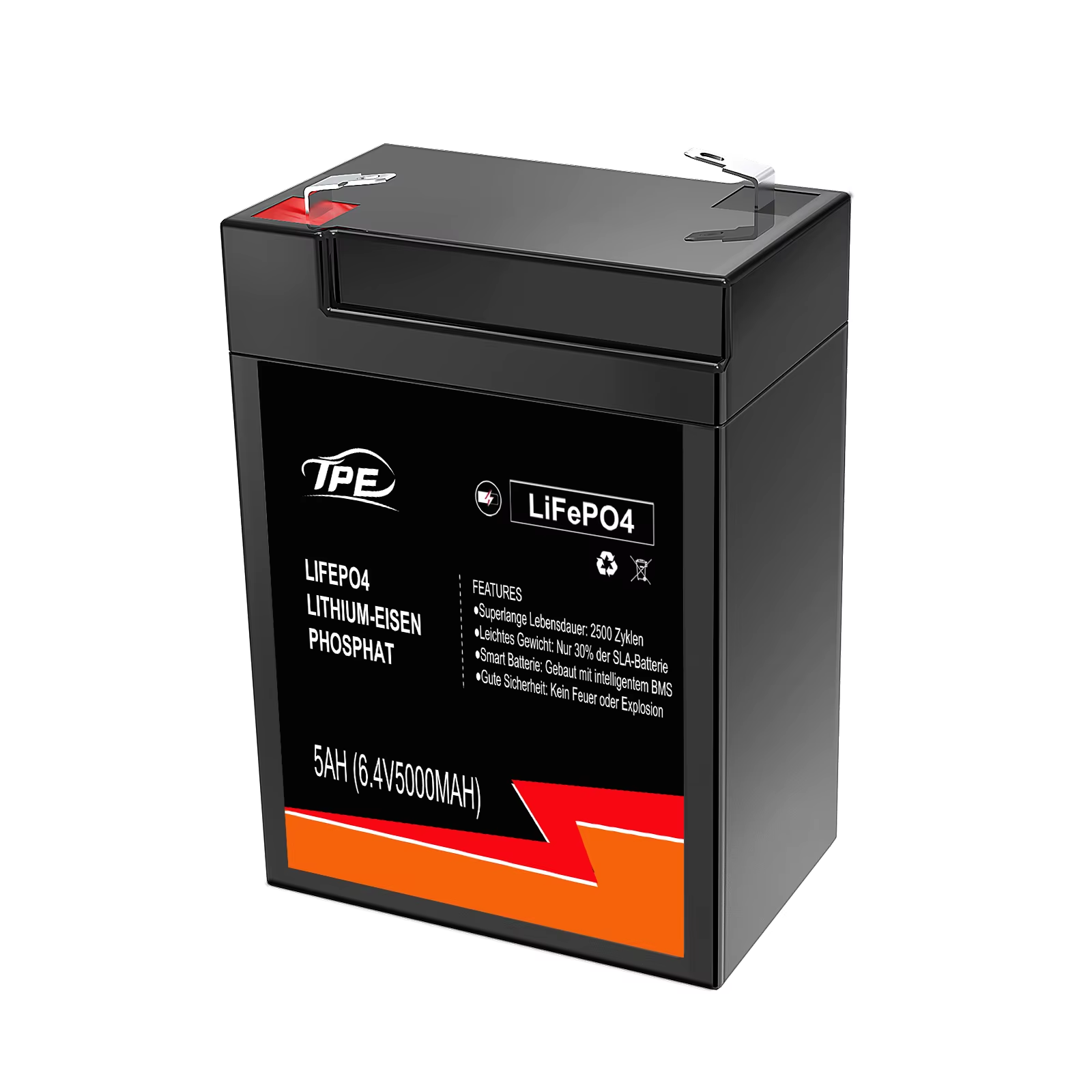
Harnessing Solar Energy for Reliable Marine Power Systems
Transitioning toward sustainable, renewable energy solutions on the water represents one of the most significant advancements for modern boaters, anglers, liveaboard cruisers, and commercial marine fleets worldwide. Over years of hands-on marine electrical system consulting, off-grid power installations, and comprehensive field testing, renewable energy specialists and marine engineers have observed that relying solely on traditional engine alternators or shore power hookups is no longer sufficient for modern onboard power demands. Outfitting a vessel with an efficient solar charging setup transforms how energy is generated and managed, ensuring that your vital onboard marine battery remains fully charged, healthy, and ready for extended excursions without constant engine idling. However, successfully integrating photovoltaic solar panels with deep-cycle energy storage requires a deep, technical understanding of electrical compatibility, system sizing, and component quality. By mastering these core engineering principles, boat owners, marine outfitters, and global distributors can build highly reliable, efficient, and long-lasting power systems that perform flawlessly in demanding marine environments globally.
Calculating Optimal Solar Panel Capacity and Energy Storage
The absolute foundation of an effective marine solar charging setup begins with accurately calculating your daily power consumption and balancing it with appropriate panel wattage and energy storage capacity. Every single onboard appliance—ranging from sophisticated navigation electronics, refrigerators, and radar systems to cabin lighting, water pumps, and autopilot hardware—draws a specific amount of amp-hours from your primary marine battery bank. A common mistake among amateur installers is underestimating daily electrical loads or installing mismatched solar panels that fail to generate sufficient amperage during overcast weather conditions or partial shading. Professional marine system designers recommend conducting a thorough energy audit, factoring in regional peak sun hours, and selecting high-efficiency photovoltaic modules paired with robust deep-cycle storage units. This meticulous planning ensures that your energy reserve never dips below critical discharge thresholds, thereby extending the overall lifespan of your storage units and preventing unexpected power failures while far away from the safety of the dock.
Maximizing Charging Efficiency with Advanced MPPT Technology
Connecting solar panels directly to a storage bank without proper voltage regulation is a recipe for electrical failure, overcharging, and accelerated battery degradation. To convert solar energy safely and efficiently, an advanced solar charge controller acts as the core brain of the entire electrical architecture. Industry experts and electrical engineers strongly advocate for Maximum Power Point Tracking controllers over traditional Pulse Width Modulation models, especially in dynamic marine environments where boat movement, shading, tilt angles, and variable cloud cover constantly alter power output. An MPPT controller dynamically adjusts voltage and current parameters to extract the absolute maximum energy possible from your solar array, boosting charging efficiency by a substantial margin. This precision regulation protects sensitive marine battery chemistry from thermal runaway and voltage spikes, ensuring optimal energy transfer and safeguarding your entire electrical investment over years of continuous operation.
Ensuring Marine-Grade Durability and Electrical Safety
Operating electrical systems in a harsh marine environment exposes every component to extreme weather, constant mechanical vibration, saltwater humidity, and intense ultraviolet radiation. Consequently, material selection, corrosion resistance, and rigorous safety protocols are absolute non-negotiables for long-term system reliability and vessel safety. Marine-grade installations mandate the use of tinned copper wiring, waterproof junction boxes, heavy-duty mounting hardware, and correctly rated inline fuses or circuit breakers to prevent short circuits and electrical fires. Furthermore, choosing photovoltaic modules with robust tempered glass surfaces and sealed, weather-resistant frames prevents moisture ingress and salt-spray corrosion. Adhering to these strict industrial safety standards guarantees that your solar charging setup withstands punishing open-water conditions, delivering uninterrupted power and absolute peace of mind during extended offshore voyages and coastal cruising adventures.
Powering the Future of Marine Energy with TPE Advanced Solutions
Successfully deploying high-performance renewable energy systems requires more than just premium individual components; it demands an ironclad partnership with an experienced manufacturing leader capable of delivering absolute batch consistency, strict quality control, and dependable global supply chain support across complex multi-phase networks. TPE leverages decades of dedicated manufacturing expertise, state-of-the-art new energy production lines, and an advanced in-house quality testing laboratory to deliver superior energy storage and solar integration solutions to brand partners worldwide. Whether an expanding marine hardware brand requires custom technical specifications, specialized private labeling, or robust bulk supply chain support backed by comprehensive engineering guidance, TPE provides the manufacturing capability and technical excellence needed to safeguard your capital assets and elevate your global brand reputation in the competitive renewable energy market.
Sustaining Long-Term Power Independence on the Water
Ultimately, mastering the technical nuances of marine solar integration allows boaters and commercial operators to achieve true energy independence while protecting valuable electrical infrastructure. By prioritizing system compatibility, advanced charge regulation, and robust marine-grade hardware, users ensure maximum reliability on every voyage. Partnering with an innovative industry leader like TPE guarantees access to cutting-edge manufacturing excellence and reliable new energy solutions that drive long-term success.
Table of Contents
- Harnessing Solar Energy for Reliable Marine Power Systems
- Calculating Optimal Solar Panel Capacity and Energy Storage
- Maximizing Charging Efficiency with Advanced MPPT Technology
- Ensuring Marine-Grade Durability and Electrical Safety
- Powering the Future of Marine Energy with TPE Advanced Solutions
- Sustaining Long-Term Power Independence on the Water