Lead Acid Battery: The Timeless Workhorse of Rechargeable Energy Storage
As the oldest and most established type of rechargeable battery, the lead acid battery has retained its status as a cornerstone of energy storage across countless industries—from automotive and telecommunications to renewable energy and healthcare. What makes the lead acid battery enduringly relevant, even amid the rise of newer technologies like lithium batteries, is its unbeatable combination of reliability, cost-effectiveness, and robust performance. Unlike more complex battery systems that require intricate maintenance or specialized handling, the lead acid battery operates on a simple, time-tested chemical principle: a reaction between lead plates and a sulfuric acid electrolyte to generate and store electrical energy. This simplicity not only lowers production costs but also makes the lead acid battery highly tolerant of harsh conditions—extreme temperatures, occasional overcharging, and heavy-duty use—without compromising its ability to deliver consistent power. Whether powering the starter in a family car, backing up critical telecom networks during outages, or storing energy from a residential solar panel system, the lead acid battery remains a trusted, accessible solution that balances functionality with affordability. Its long history of innovation, from the first wet-cell designs to modern sealed variants, has ensured it adapts to evolving industry needs, solidifying its role as a “workhorse” battery that continues to power essential systems worldwide.
Core Advantages of Lead Acid Battery
The lead acid battery’s enduring popularity stems from a set of core advantages that address the practical needs of both consumer and industrial users. These strengths make it a preferred choice for applications where cost, durability, and ease of use are prioritized over cutting-edge performance metrics like ultra-fast charging or lightweight design:
Unmatched Cost-Effectiveness: The lead acid battery offers the lowest cost per ampere-hour (Ah)—a key measure of energy storage capacity—among all rechargeable battery technologies. This affordability is a game-changer for large-scale applications: automotive manufacturers rely on lead acid battery units for starting, lighting, and ignition (SLI) systems because they can equip millions of vehicles without inflating production costs; telecom companies use them for backup power in remote cell towers, where budget constraints make expensive alternatives unfeasible; and small businesses opt for them in emergency lighting systems, as the low upfront and replacement costs reduce long-term operational expenses. For users where cost is a primary driver, the lead acid battery has no equal.
Exceptional Robustness & Tolerance: The lead acid battery’s simple design—centered on lead plates and a liquid or immobilized sulfuric acid electrolyte—makes it highly resistant to abuse and operational errors. Unlike lithium batteries, which can be damaged by overcharging or deep discharge, the lead acid battery can withstand occasional overcharging (a common issue in backup power systems) without permanent failure. It also tolerates fluctuations in temperature better than many alternatives: while extreme cold may temporarily reduce its capacity, the lead acid battery rarely suffers irreversible damage, and it can operate reliably in hot climates with minimal performance loss. This robustness is critical for applications like off-road vehicle lighting or construction equipment, where batteries are exposed to dust, vibrations, and unpredictable use.
Easy Accessibility & Compatibility: The lead acid battery is widely available globally, with replacement units sold in auto parts stores, hardware retailers, and industrial supply shops. This accessibility means users can quickly replace a faulty lead acid battery without waiting for specialized orders—critical for time-sensitive applications like hospital backup power or delivery truck fleets. Additionally, the lead acid battery is compatible with most standard charging systems: no proprietary chargers or advanced electronics are needed, as it works with simple, widely used chargers that are easy to maintain and replace. This compatibility reduces complexity for users, especially in regions where access to advanced technology is limited.
Proven Long-Term Reliability: For over 150 years, the lead acid battery has been tested in real-world conditions, and its performance characteristics are well-understood. This predictability is invaluable for industries like healthcare, where medical equipment (such as wheelchairs or portable oxygen concentrators) depends on consistent power—users and technicians know exactly how a lead acid battery will perform over time, reducing the risk of unexpected failures. In renewable energy systems, too, the lead acid battery’s reliability shines: it can store energy for days at a time and discharge consistently, even during extended periods of low sunlight or wind, making it a dependable choice for off-grid homes.
Craftsmanship Highlights: Engineering Variants of Lead Acid Battery
The lead acid battery’s adaptability is rooted in its diverse engineering variants, each tailored to specific application needs through specialized design and manufacturing. These variants—primarily Flooded Lead-Acid (FLA) and Valve-Regulated Lead-Acid (VRLA) batteries—leverage unique craftsmanship to enhance performance, safety, and convenience, ensuring the lead acid battery remains relevant across industries:
1. Flooded (Wet) Lead-Acid (FLA) Batteries: The Traditional Standard
FLA batteries are the original lead acid battery design, and their craftsmanship focuses on simplicity, cost-efficiency, and high current output—making them ideal for applications like automotive SLI systems.
Liquid Electrolyte Design: The core of an FLA lead acid battery is its liquid electrolyte—a mixture of sulfuric acid and distilled water—into which lead plates (positive and negative) are fully submerged. This design maximizes contact between the electrolyte and plates, enabling rapid energy release—critical for starting a car engine, which requires a burst of high current in a short time. Manufacturers carefully control the concentration of sulfuric acid (typically 37% by weight) to balance performance and longevity: too high a concentration can corrode the lead plates, while too low reduces energy capacity.
Ventilation & Maintenance Features: FLA batteries include vents to release hydrogen and oxygen gases generated during charging (a byproduct of the chemical reaction). These vents are designed to prevent pressure buildup while allowing users to add distilled water periodically—replenishing moisture lost to evaporation. Craftsmanship here focuses on durable, leak-proof vent caps that are easy to remove for maintenance but secure enough to prevent acid spills when the battery is upright (a key requirement for FLA design).
Robust Plate Construction: FLA lead acid battery plates are made from thick lead alloy grids coated in lead dioxide (positive) or sponge lead (negative). These thick plates are designed to withstand the mechanical stress of frequent charging and discharging, as well as the vibration of automotive use. Some high-performance FLA batteries also feature “grid strengthening” techniques—like adding antimony or calcium to the lead alloy—to reduce plate warping and extend lifespan, ensuring the battery can handle thousands of cycles in industrial settings.
2. Valve-Regulated Lead-Acid (VRLA) Batteries: Sealed, Maintenance-Free Innovation
VRLA batteries represent a modern evolution of the lead acid battery, with craftsmanship focused on sealing the system to eliminate maintenance and prevent leaks. The most prominent sub-type is the Absorbent Glass Mat (AGM) battery.
Absorbent Glass Mat (AGM) Technology: AGM lead acid battery craftsmanship revolves around a fiberglass mat separator—thin, porous, and highly absorbent—that is sandwiched between the lead plates. This mat soaks up the sulfuric acid electrolyte, immobilizing it completely (unlike the liquid electrolyte in FLA batteries). The mat’s fine fibers ensure the electrolyte is evenly distributed across the plates, maximizing contact and energy transfer while preventing leakage. Manufacturers use precision machinery to cut and layer these mats, ensuring uniform thickness and coverage—critical for consistent performance across the battery’s lifespan.
Sealed, Gas-Recombination Design: A key craftsmanship highlight of VRLA (including AGM) lead acid battery is its valve-regulated system, which recombines gases generated during charging back into water. Instead of releasing hydrogen and oxygen (as FLA batteries do), the VRLA design uses a one-way valve to trap these gases, allowing them to react and form water that re-enters the electrolyte. This eliminates the need for watering, making the battery completely maintenance-free. The valve is also engineered to release excess pressure if needed (e.g., during overcharging), preventing damage while maintaining the sealed environment.
Vibration Resistance & Versatile Mounting: AGM lead acid battery craftsmanship prioritizes durability through tight internal construction: the fiberglass mat holds the lead plates and electrolyte firmly in place, eliminating movement even in high-vibration environments (such as electric scooters or off-road vehicles). This design also allows the battery to be mounted in any orientation—sideways, upside down, or vertically—without risk of leakage, a major advantage over FLA batteries (which must stay upright). Manufacturers test AGM batteries for vibration resistance using industry standards (e.g., IEC 60095), ensuring they can withstand the rigors of deep-cycle applications like wheelchair power or marine equipment.
Deep-Cycle Optimization: For AGM lead acid battery variants used in solar systems or medical devices, craftsmanship focuses on enhancing deep-cycle performance—the ability to discharge most of the battery’s capacity (up to 80%) repeatedly without damage. This is achieved through thicker lead plates (to resist sulfation, a common issue in deep discharge) and a more porous glass mat (to improve electrolyte flow during long discharge cycles). Some AGM batteries also include “cycle-life enhancing” additives in the electrolyte, extending their lifespan to 1,000+ deep cycles—making them a reliable choice for applications where consistent, long-term energy storage is critical.
In summary, the lead acid battery’s enduring success lies in its combination of cost-effectiveness, reliability, and specialized craftsmanship that adapts it to diverse needs. From the traditional FLA design—optimized for high current and affordability—to the modern AGM variant—engineered for maintenance-free, deep-cycle use—the lead acid battery continues to evolve, proving that even the oldest rechargeable battery technology can remain a vital part of the global energy landscape.
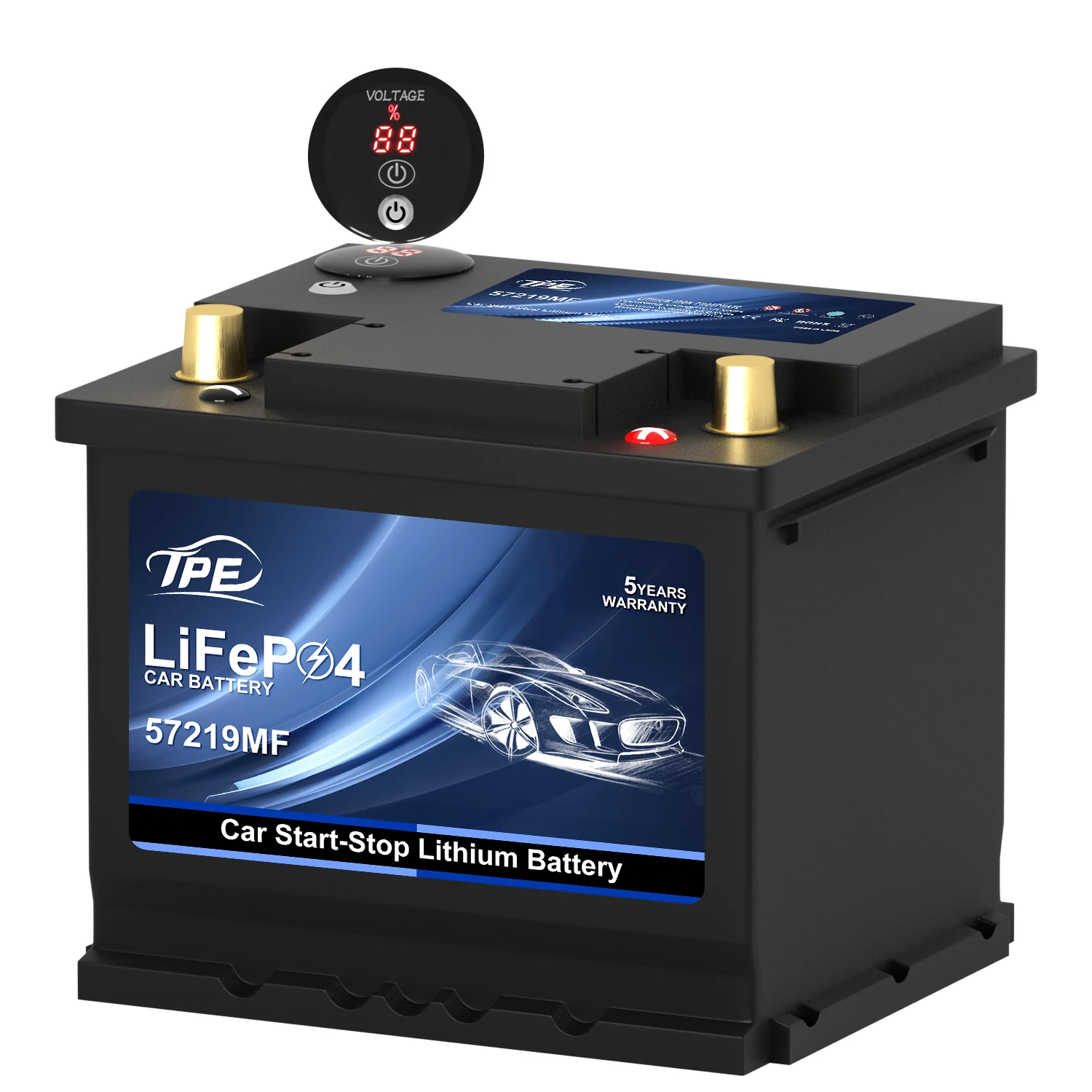
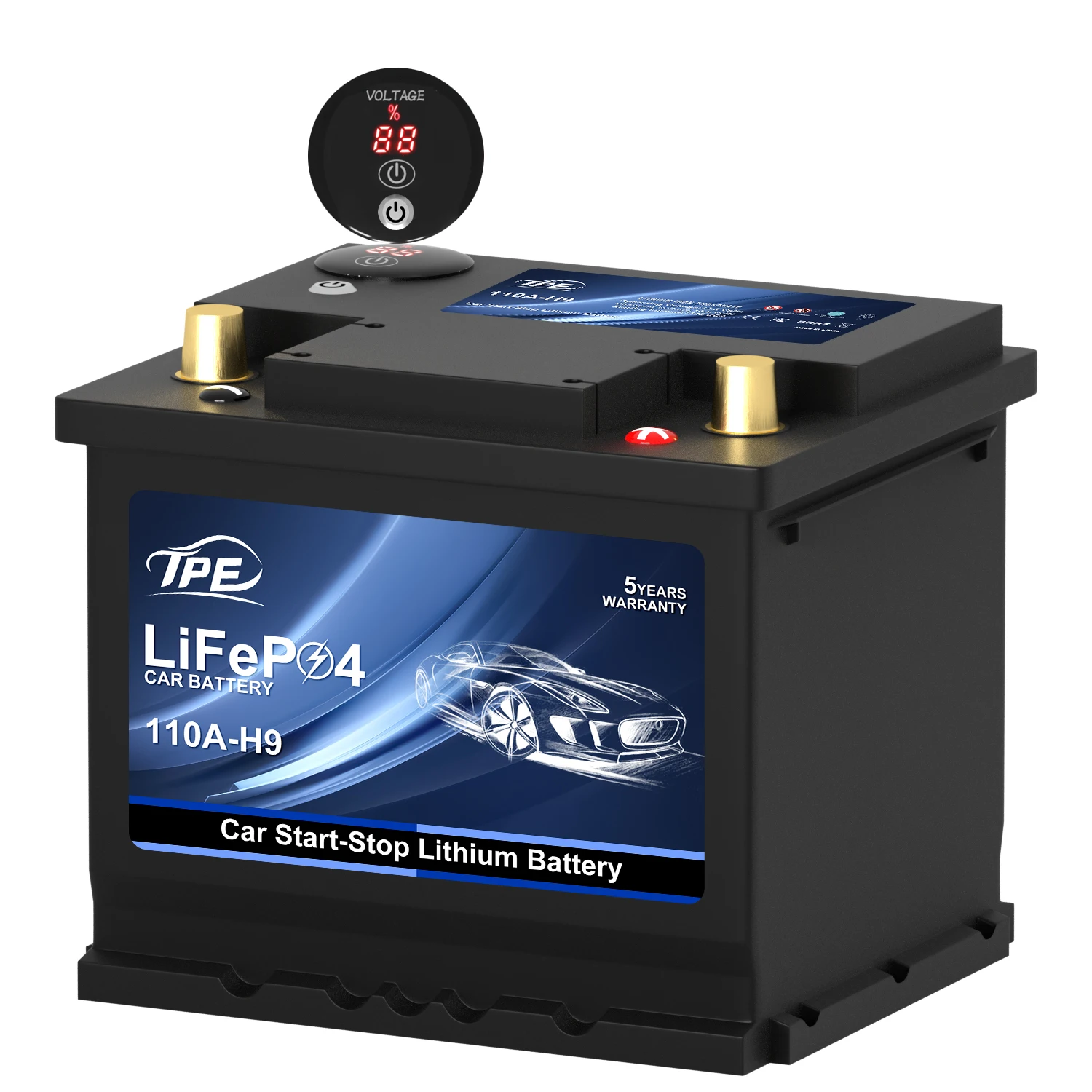
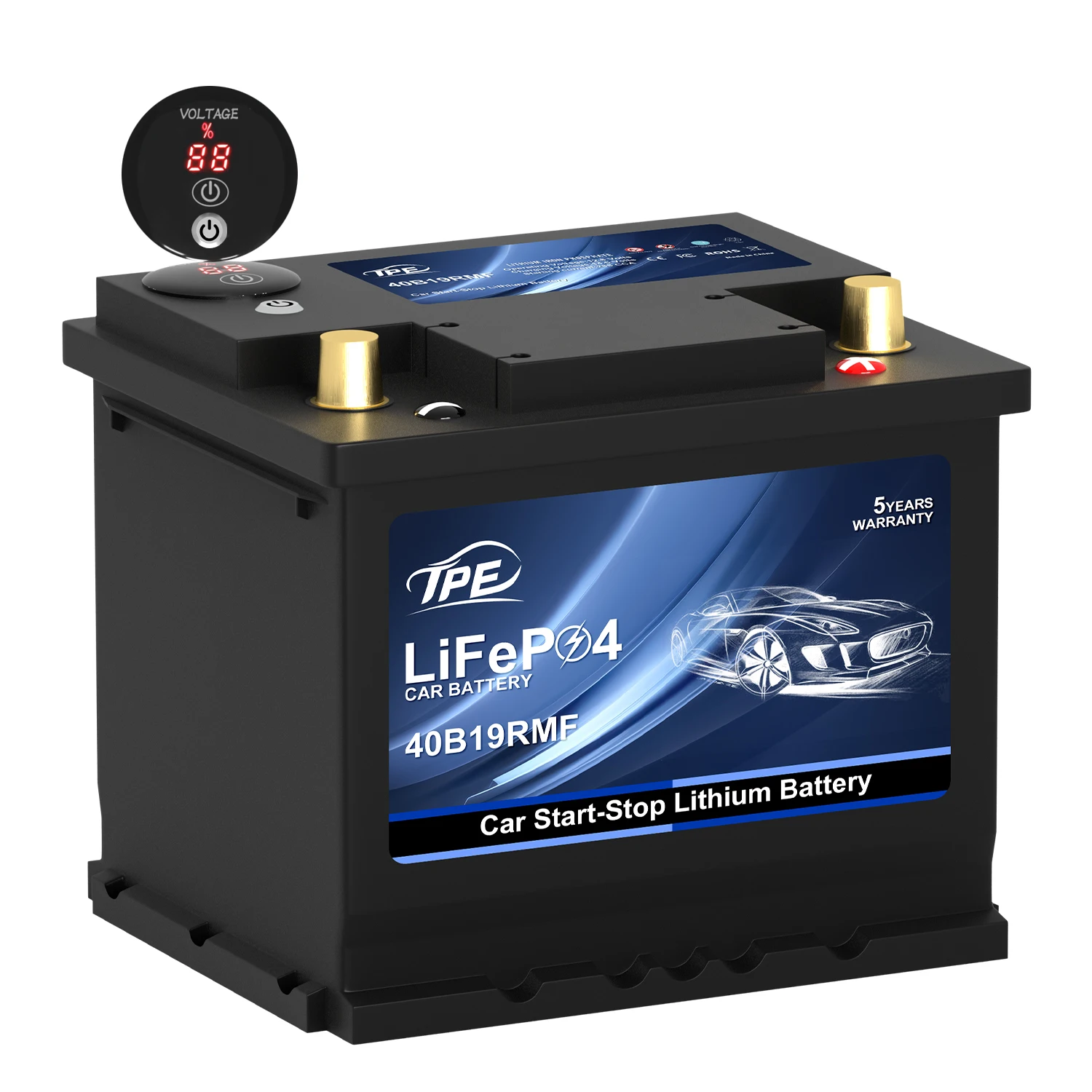
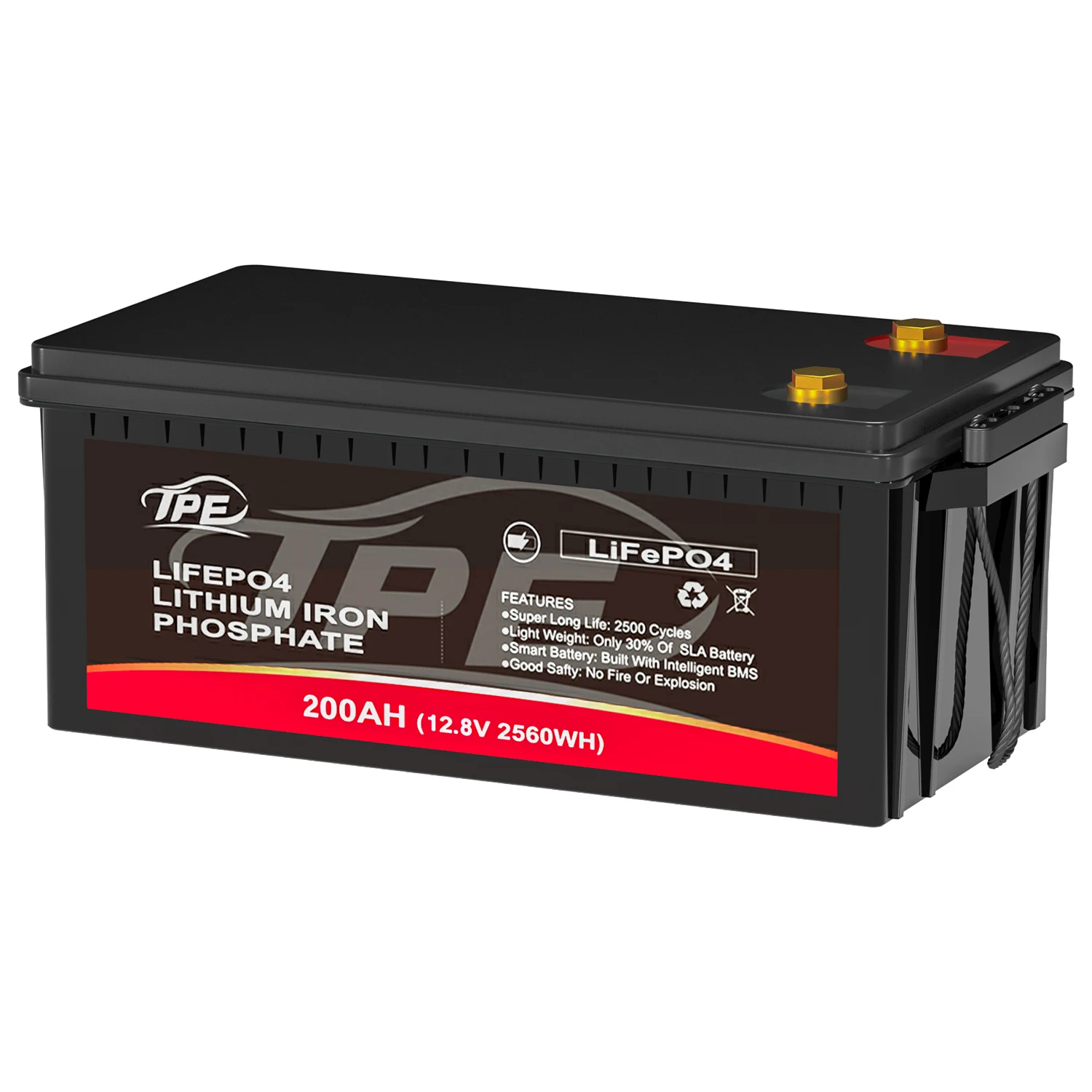
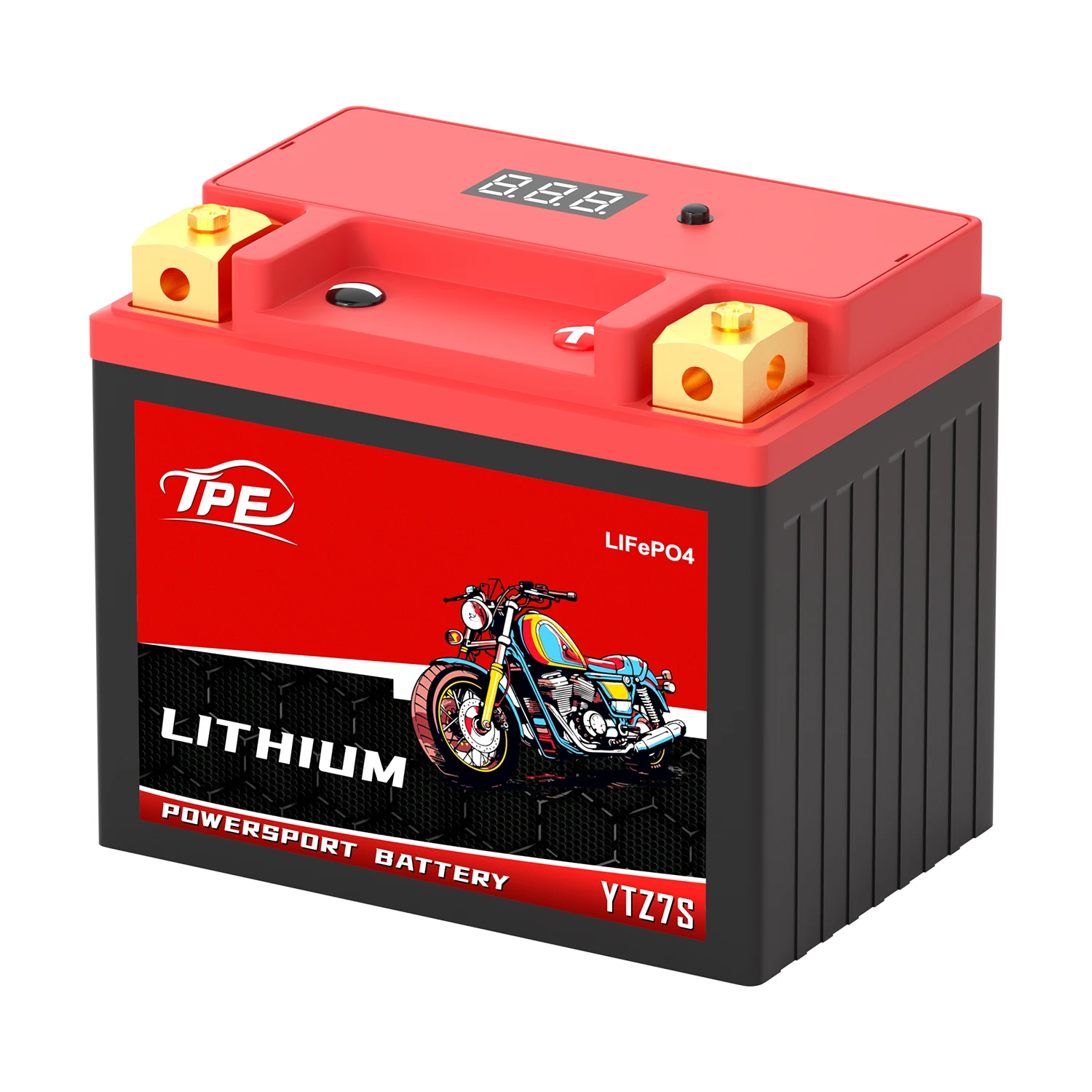
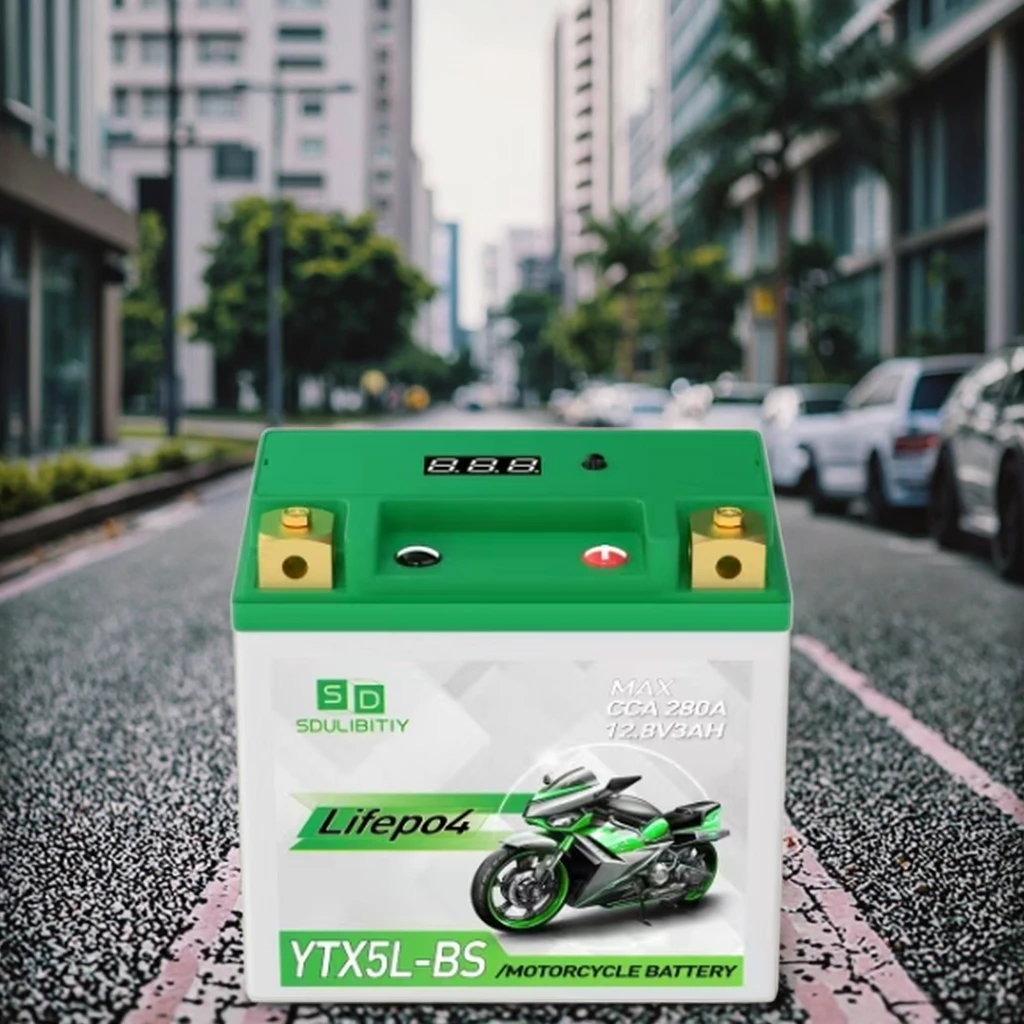
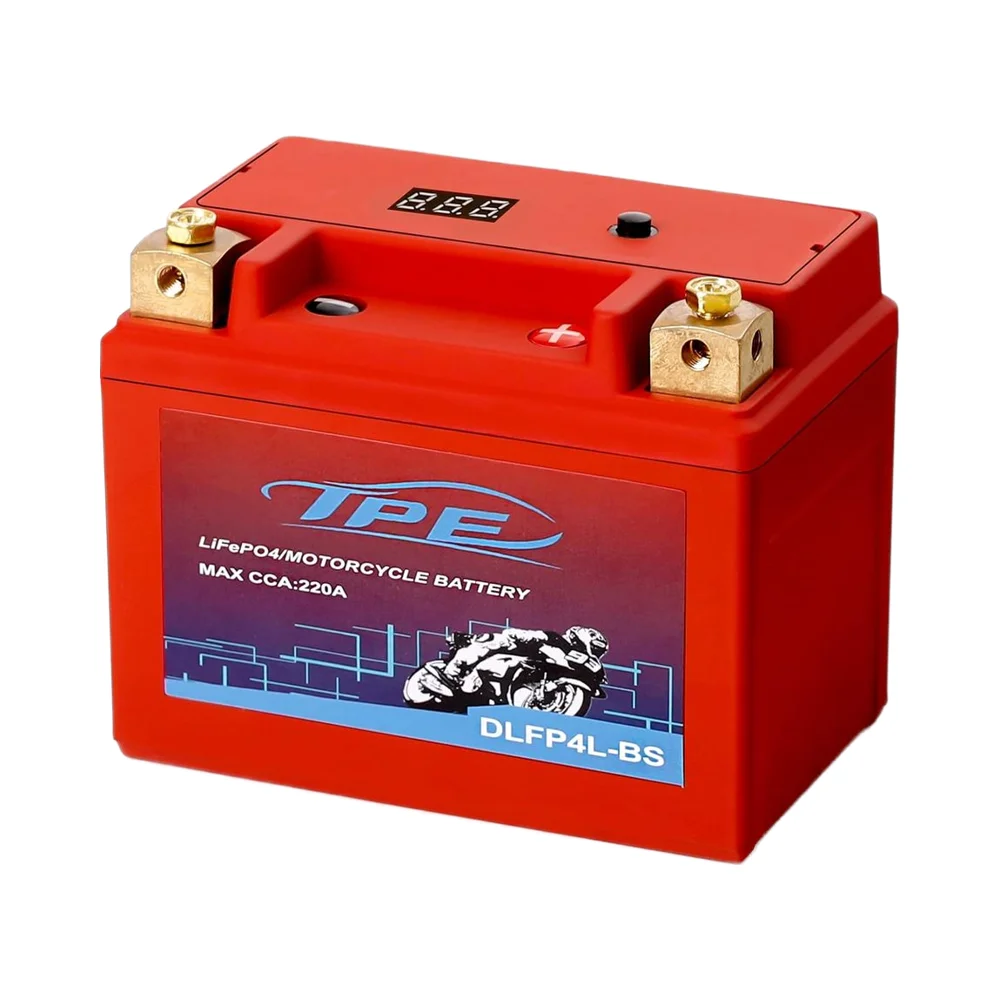
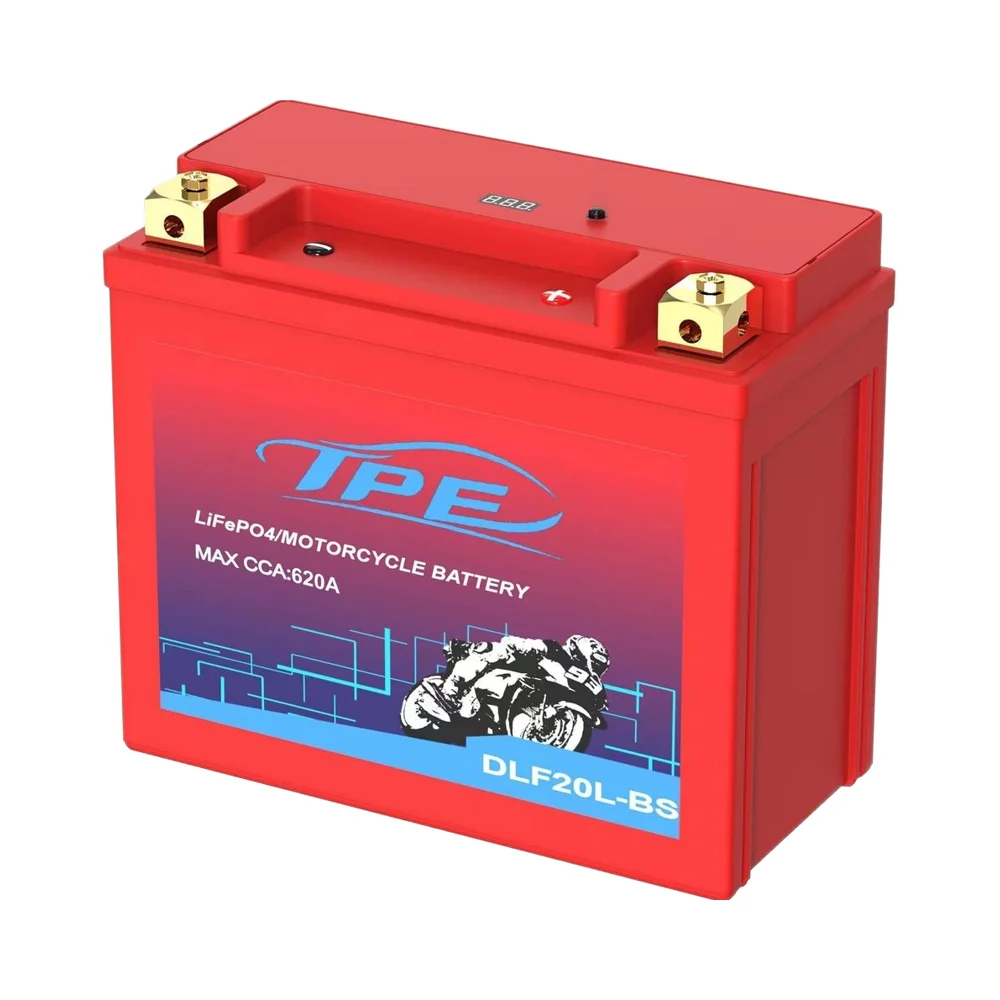

TPE Electronic Technology manufactures custom lithium, AGM, and deep-cycle batteries for EVs, automotive, and energy storage. ISO9001/CE/UL certified. Global supply chain. Request a quote today.
Room 605, Dreamland Times Building,Heping Road East, Long Hua Town, Long Hua District, Shenzhen, China
Copyright © 2025 by TPE Electronic Technology Co., Ltd. Privacy Policy
 EN
EN