 EN
EN

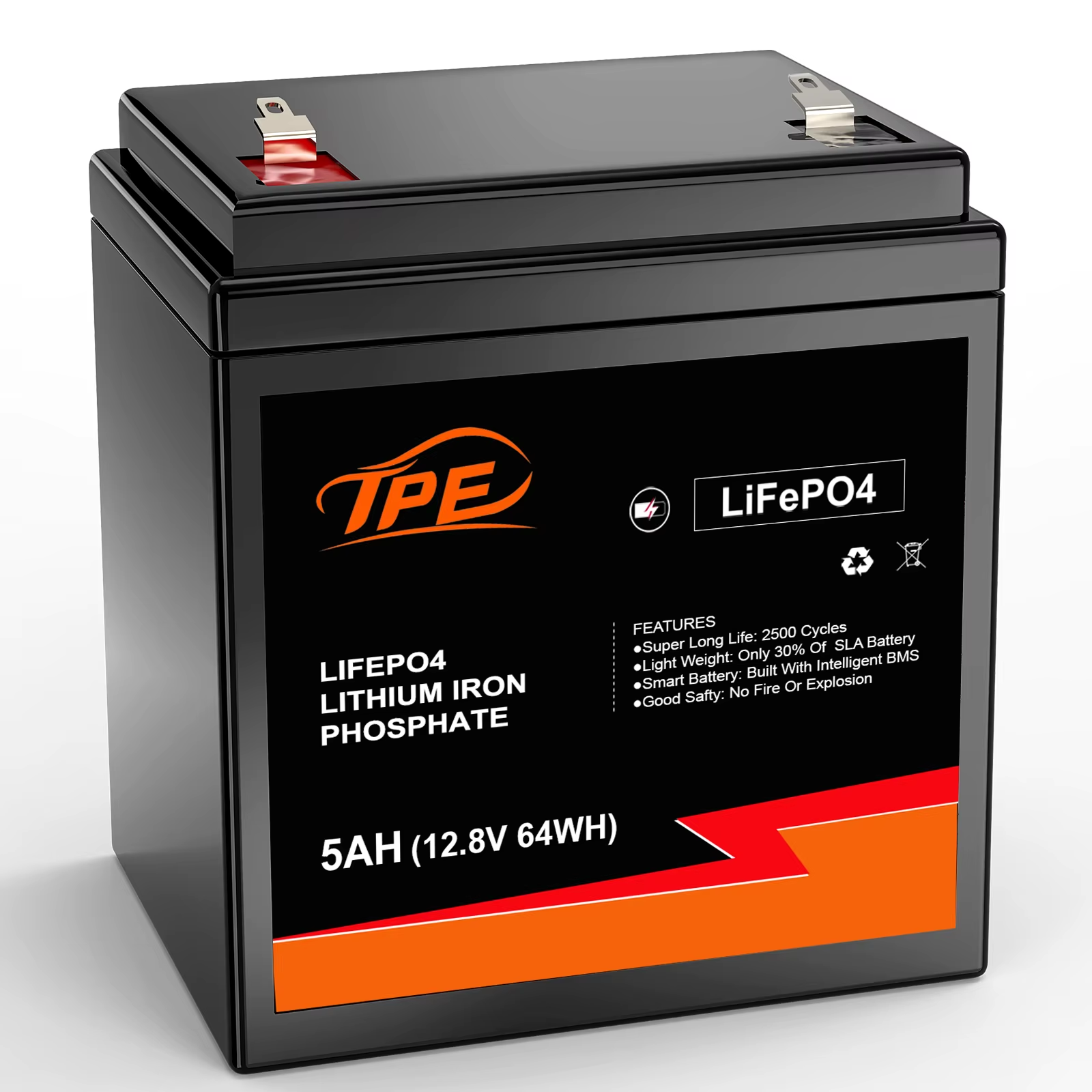
The Evolution of Maritime Power and Efficiency
In the rapidly evolving maritime industry, the demand for efficient, reliable, and sustainable power sources has reached an all-time high. As modern shipowners and commercial operators strive to optimize vessel performance, the choice of energy storage technology has become the most critical decision in their operational strategy. Today, advanced marine battery systems—specifically those leveraging Lithium Iron Phosphate (LiFePO4) chemistry—are fundamentally reshaping how vessels operate. Unlike legacy lead-acid batteries that have served the industry for decades, these modern energy storage solutions are engineered to meet the rigors of the sea while providing unmatched operational advantages. By integrating high-quality marine battery technology, operators can achieve a transformative shift toward cleaner, quieter, and significantly more efficient maritime voyages, ensuring that every journey is supported by a stable, high-capacity energy backbone.
Superior Energy Density and Weight Optimization
One of the primary drivers for the widespread adoption of modern marine battery systems is the extraordinary energy density they offer compared to conventional alternatives. High-performance lithium solutions pack significantly more usable power into a much smaller, lighter footprint. For any vessel, weight is a critical performance metric; reducing onboard weight directly translates to enhanced fuel efficiency, higher top speeds, and improved overall maneuverability. Unlike traditional lead-acid batteries, which suffer from a steep voltage drop as they discharge, these advanced lithium-based marine battery systems maintain a consistent and steady power output throughout their discharge cycle. This exceptional stability is essential for powering sophisticated onboard navigation equipment, high-definition radar systems, and modern electric propulsion units, ensuring that your vessel’s critical electronics function with laboratory-grade precision even in the most demanding offshore conditions.
Durability, Longevity, and Financial Return
Investing in a professional-grade marine battery system is not just an operational upgrade; it is a long-term strategic financial decision. While the initial capital expenditure for premium lithium technology may be higher than that of standard flooded lead-acid options, the total cost of ownership over the vessel's lifespan is drastically lower. High-quality systems are designed for extreme longevity, frequently capable of delivering several thousand deep charge-discharge cycles without significant degradation—a capability that far eclipses the limited lifespan of traditional batteries. By choosing a robust, largely maintenance-free marine battery solution, operators effectively eliminate the recurring labor and logistical costs associated with frequent battery replacements and chemical maintenance. This longevity ensures that your vessel remains on the water and generating revenue, rather than sitting in the shipyard for unnecessary power system repairs.
Intelligent Management and Enhanced Safety
Modern marine battery systems distinguish themselves through the integration of sophisticated, proprietary Battery Management Systems (BMS). In the maritime environment, where safety, transparency, and hardware integrity are paramount, these intelligent systems serve as the "brain" of the power unit. They provide real-time, granular monitoring of individual cell health, overall state-of-charge, and critical thermal metrics. This active intelligence acts as a multi-layered safeguard, automatically identifying and preventing potential faults—such as over-voltage, under-voltage, or extreme temperature excursions—before they manifest into operational issues. Whether you are managing a commercial fleet that requires high-intensity load balancing or a private yacht relying on consistent auxiliary power, the ability to monitor your marine battery performance via digital interfaces provides a crucial layer of operational confidence that legacy passive storage systems simply cannot provide.
Sustainable Operations and Global Compliance
As global environmental regulations tighten, sustainability has evolved from a voluntary initiative into a strict operational requirement for the marine sector. By transitioning to high-performance marine battery technology, vessel operators can substantially reduce their environmental footprint and ensure ongoing compliance with international emission standards. These energy-dense systems facilitate true zero-emission port stays, allowing vessels to operate auxiliary loads without running noisy, polluting diesel generators while docked. Furthermore, the absence of hazardous materials such as lead, cadmium, and sulfuric acid makes lithium-based storage a far cleaner and more ecologically responsible choice for sensitive marine ecosystems. Embracing these advanced, eco-friendly power systems is a proactive step toward meeting international climate goals, enhancing your vessel’s competitive edge in a market that increasingly prioritizes green, efficient, and sustainable maritime solutions.