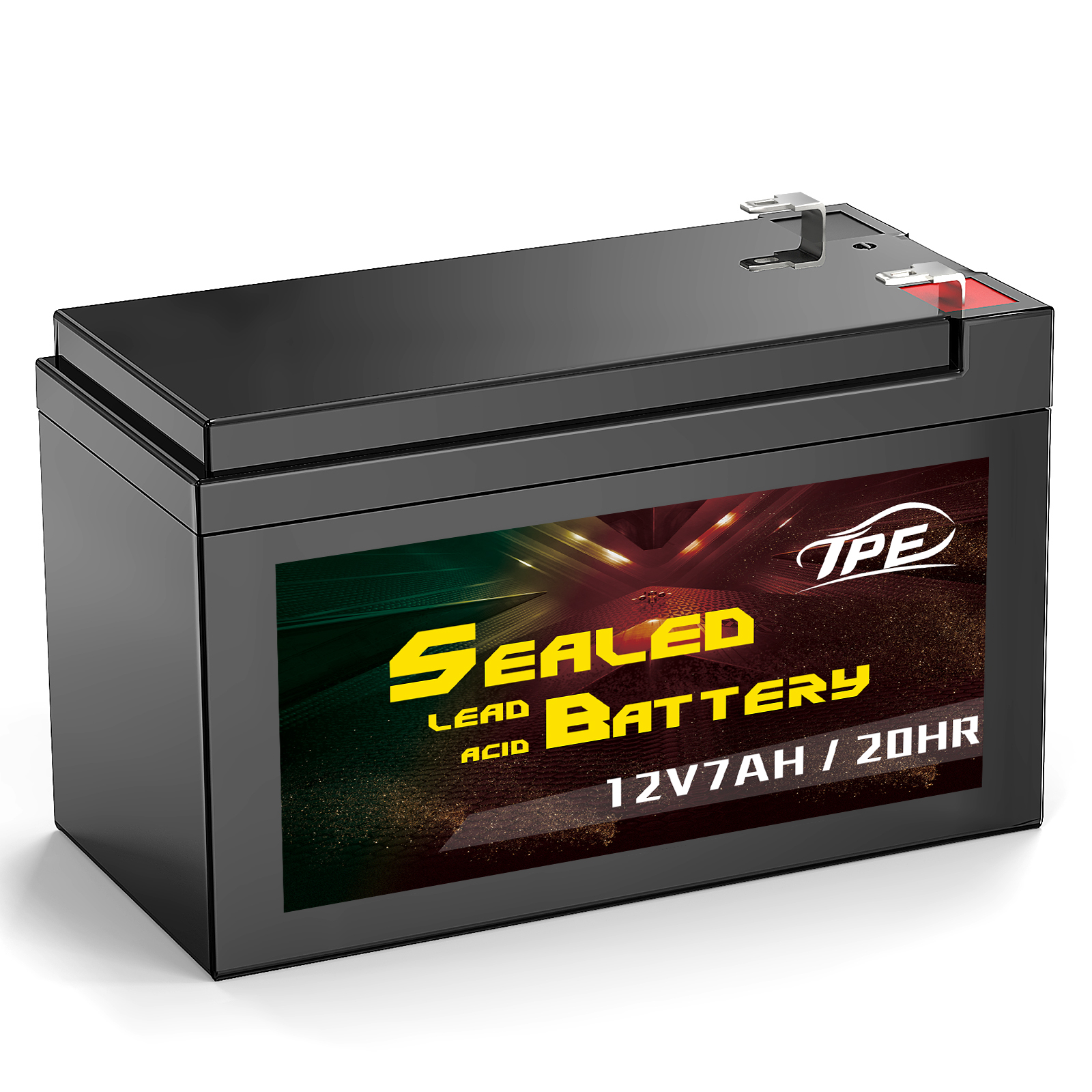
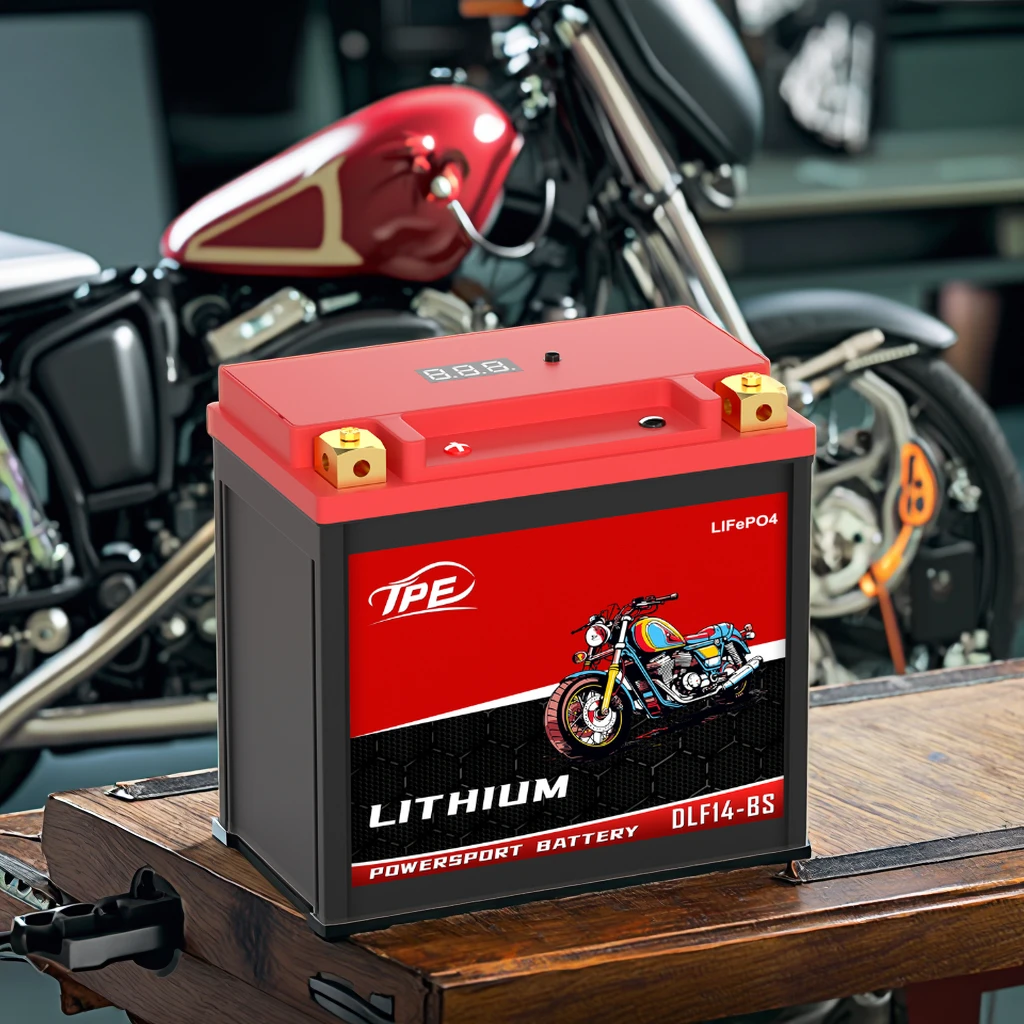
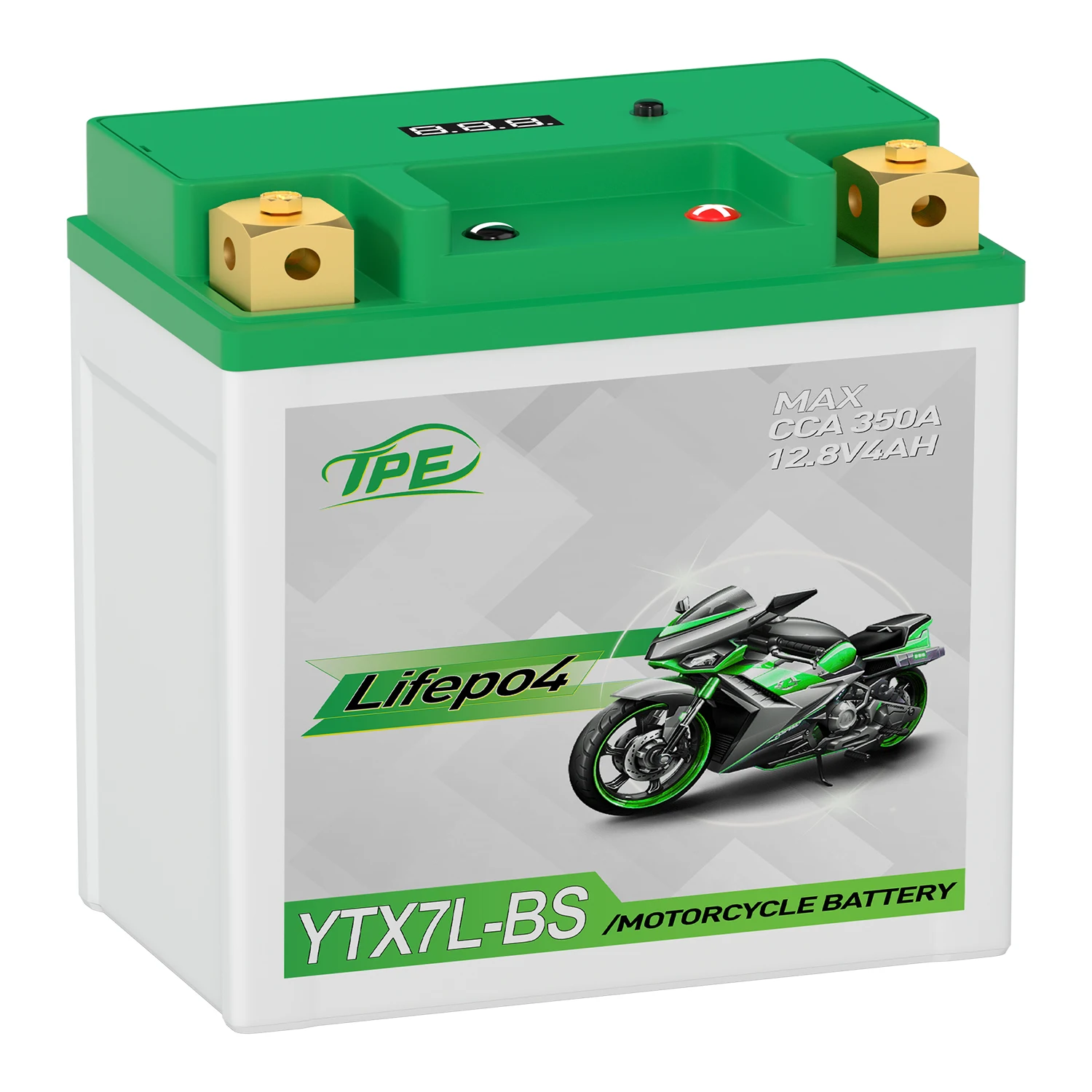
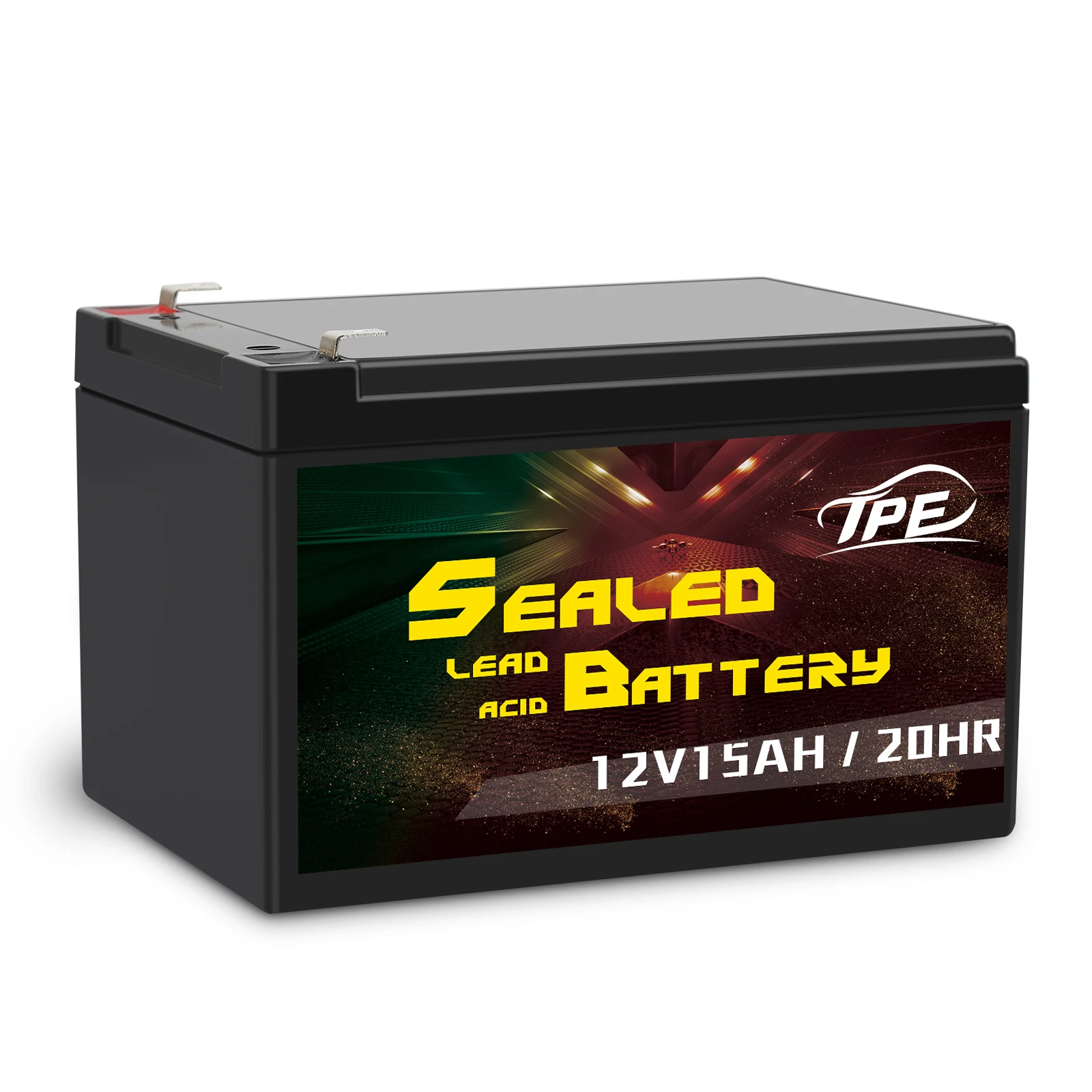
Flooded Lead Acid Battery: Deep-Cycle Power for Renewables

Contact me immediately if you encounter problems!

All Categories
Robust Deep-Cycle Performance For Heavy-Duty Renewable Applications

Robust Deep-Cycle Performance For Heavy-Duty Renewable Applications

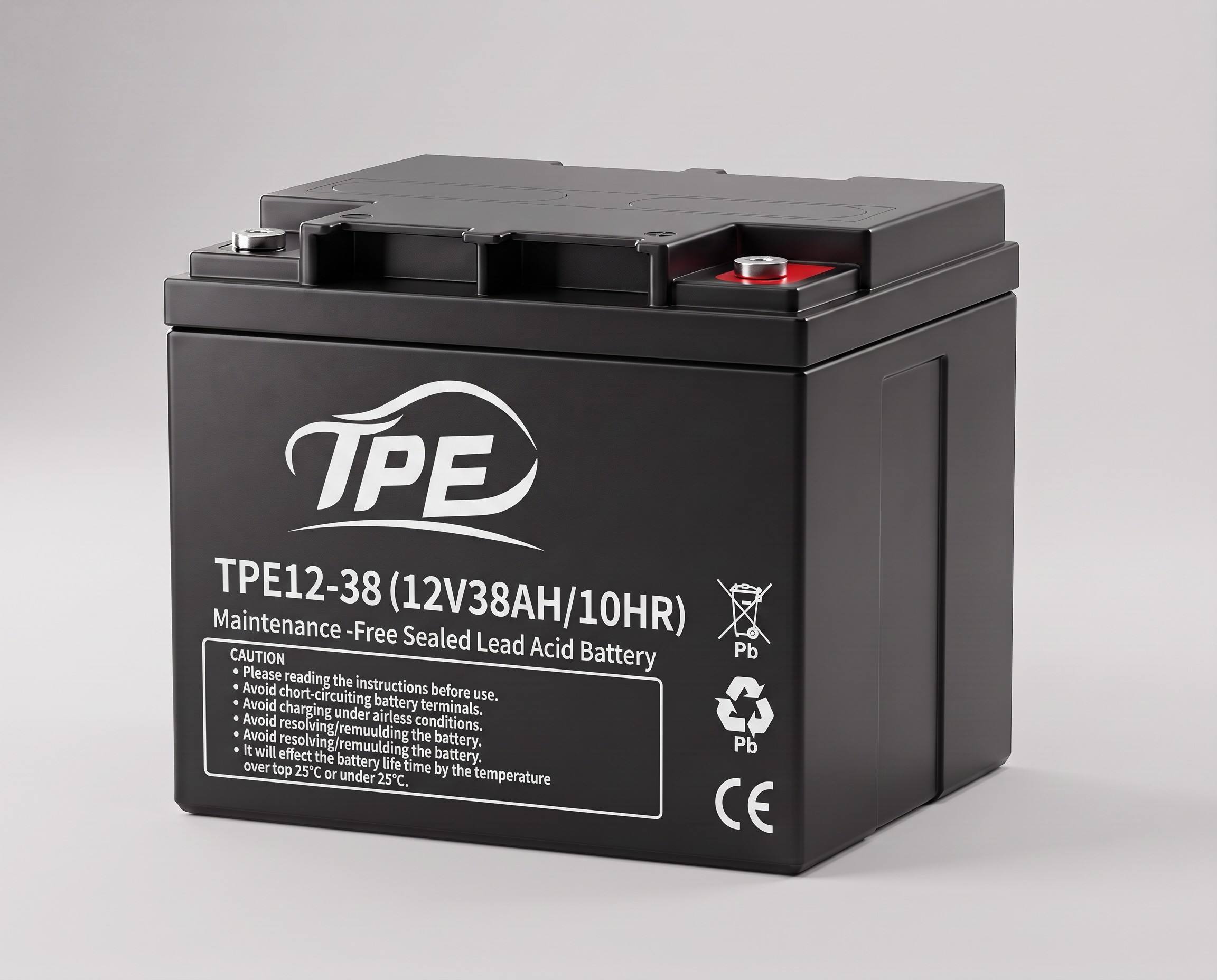
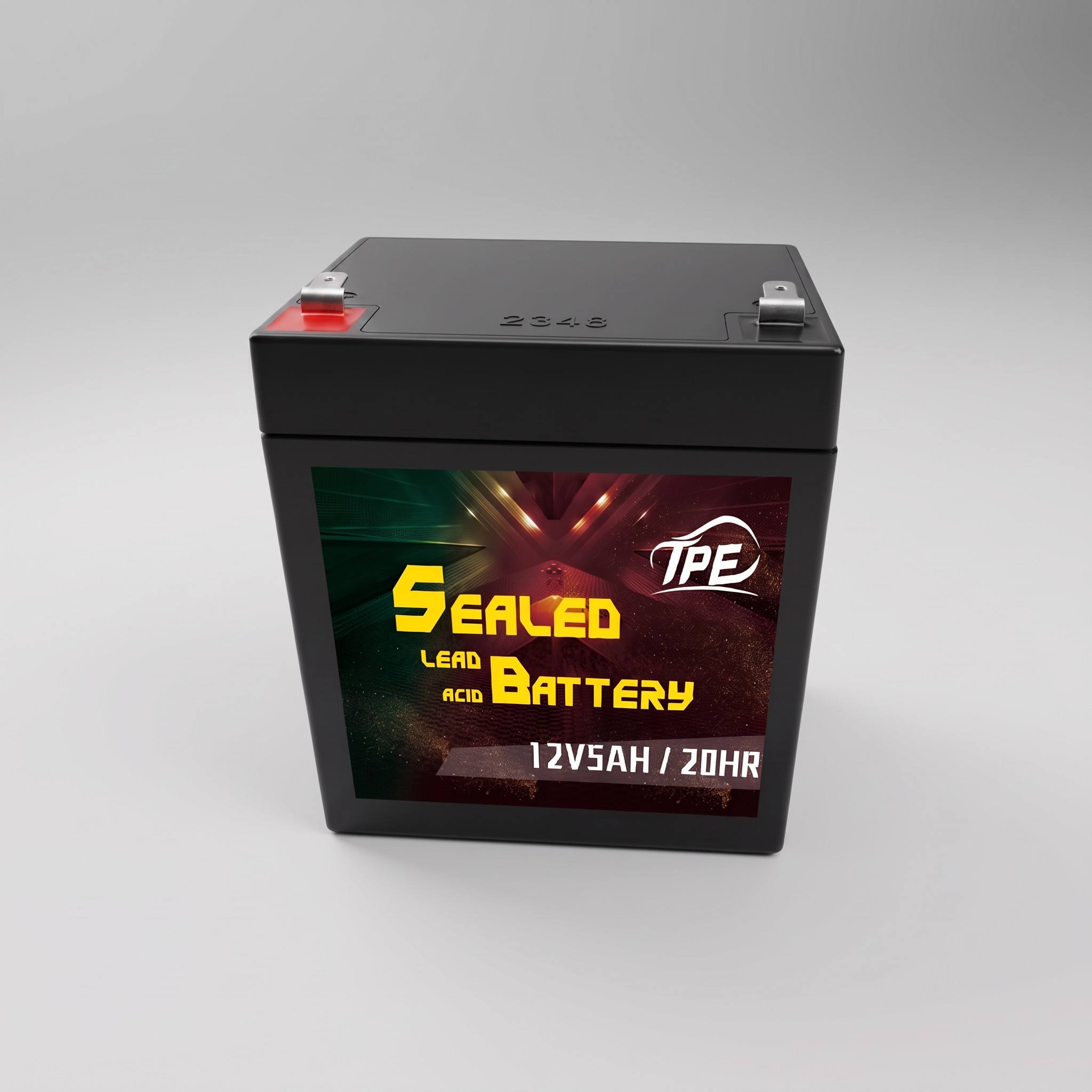
Flooded lead acid battery technology remains the gold standard for robust, cost-effective energy storage in large-scale renewable and off-grid power systems. These traditional liquid-electrolyte batteries deliver exceptional deep-cycle resilience, allowing up to eighty percent depth of discharge without compromising long-term structural integrity. Utility operators deploying our flooded solutions report a twenty-five percent reduction in levelized energy storage costs over ten-year operational lifespans. Heavy lead plates provide superior resistance to high surge currents, making them ideal for demanding industrial machinery and remote solar microgrids. Routine maintenance access allows easy electrolyte monitoring and specific gravity verification, ensuring maximum transparency and longevity across all deployed commercial energy banks.
Get A Quote

Case Study

Off-Grid Solar Microgrid Energy Storage

A remote island community deployed our heavy-duty flooded lead acid batteries across a community solar microgrid project to secure stable nighttime electricity. The robust deep-cycle capability sustained consistent power delivery through prolonged cloudy weather periods, achieving an impressive twenty-eight percent cost savings compared to lithium alternatives. Local technicians appreciated the straightforward maintenance access, which allowed simple specific gravity checks and water top-offs to maintain peak efficiency.

Telecommunication Tower Remote Power Bank

A national telecommunication operator installed our flooded lead-acid battery banks at fifty remote desert cell towers requiring extreme thermal endurance. The liquid electrolyte mass acted as a natural thermal buffer, maintaining stable operating temperatures during extreme daytime heatwaves. The installation achieved zero unexpected power interruptions over three years, safeguarding critical regional communication links reliably.

Agricultural Irrigation Pump Station

A large agricultural cooperative utilized our high-capacity flooded batteries to power remote irrigation pumping systems across vast farming acreage. The durable lead plates handled massive startup surge currents effortlessly, reducing motor failure rates and improving seasonal crop yield reliability by fifteen percent. Farmers benefited from the high economic value and dependable deep-cycle performance of traditional liquid-electrolyte storage.

Related products

TPE New Energy manufactures superior flooded lead acid batteries engineered to deliver maximum energy capacity and exceptional structural durability for heavy industrial sectors. Utilizing high-purity lead alloys and rugged container materials, our batteries resist physical shock and chemical degradation under extreme operating conditions. Each cell is meticulously assembled in our advanced production facility with rigorous quality inspections verifying plate thickness and electrolyte purity. We provide reliable, cost-effective energy storage solutions designed to support demanding off-grid and backup power infrastructures globally.

Frequently Asked Questions

How often do flooded lead-acid batteries require water replenishment?

Water replenishment is typically required every one to three months, depending on ambient temperatures, charging frequency, and operational depth of discharge levels.
Only distilled or deionized water must be used to prevent mineral contamination and permanent damage to the internal lead plates.
Flooded lead-acid batteries generally support a depth of discharge up to fifty or eighty percent, though limiting discharge increases overall operational lifespan.
Equalization applies a controlled overcharge to stir the electrolyte, prevent acid stratification, and balance voltage across all individual series-connected cells.
They require dedicated, well-ventilated battery rooms because they emit hydrogen gas during the charging process, making unventilated indoor spaces unsafe.

Related article

Why Emergency Battery Inspection Is Vital for Factories?

06

Aug

Why Emergency Battery Inspection Is Vital for Factories?

Understanding the Critical Role of Backup Power Systems in Industrial Facilities When managing industrial manufacturing plants and large-scale processing facilities, maintaining an uninterrupted power supply is a fundamental requirement for operati...
View More
Why Choose Marine Battery Systems For Vessels?

12

Aug

Why Choose Marine Battery Systems For Vessels?

The Evolution of Maritime Power and Efficiency In the rapidly evolving maritime industry, the demand for efficient, reliable, and sustainable power sources has reached an all-time high. As modern shipowners and commercial operators strive to optimi...
View More
How to Charge a Marine Battery with Solar Panels?

03

Sep

How to Charge a Marine Battery with Solar Panels?

Harnessing Solar Energy for Reliable Marine Power Systems Transitioning toward sustainable, renewable energy solutions on the water represents one of the most significant advancements for modern boaters, anglers, liveaboard cruisers, and commercial...
View More

Customer Testimonials

Julian Thorne

These flooded batteries delivered incredible deep-cycle resilience, cutting our regional energy storage project costs by twenty-eight percent while maintaining total reliability.

Amina Al-Fassi

The liquid thermal buffer handled extreme desert temperatures effortlessly, guaranteeing zero power outages across our remote telecommunication relay towers.

Get a Free Quote

Our representative will contact you soon.
Email
Mobile/WhatsApp
Name
Company Name
Message
0/1000
Thick Positive Plates And High Cycling Resilience

Thick Positive Plates And High Cycling Resilience

Constructed with extra-thick positive grid plates and high-density active material, our flooded batteries resist shedding and corrosion during deep daily cycling routines. This robust structural design enables superior energy retention and extends operating life through thousands of charge-discharge cycles. Renewable energy developers rely on this durability to maximize power harvest efficiency and minimize capital depreciation across large-scale photovoltaic and wind storage arrays.
Transparent Containers And Easy Maintenance Access

Transparent Containers And Easy Maintenance Access

Encased in high-impact, translucent polymer containers, our flooded cells allow technicians to visually inspect electrolyte levels and plate conditions instantly without opening terminal covers. Removable flip-top vent caps facilitate rapid water replenishment and specific gravity testing during scheduled routine maintenance visits. This user-friendly mechanical design reduces labor time, enhances safety compliance, and ensures long-term operational transparency for facility managers.