


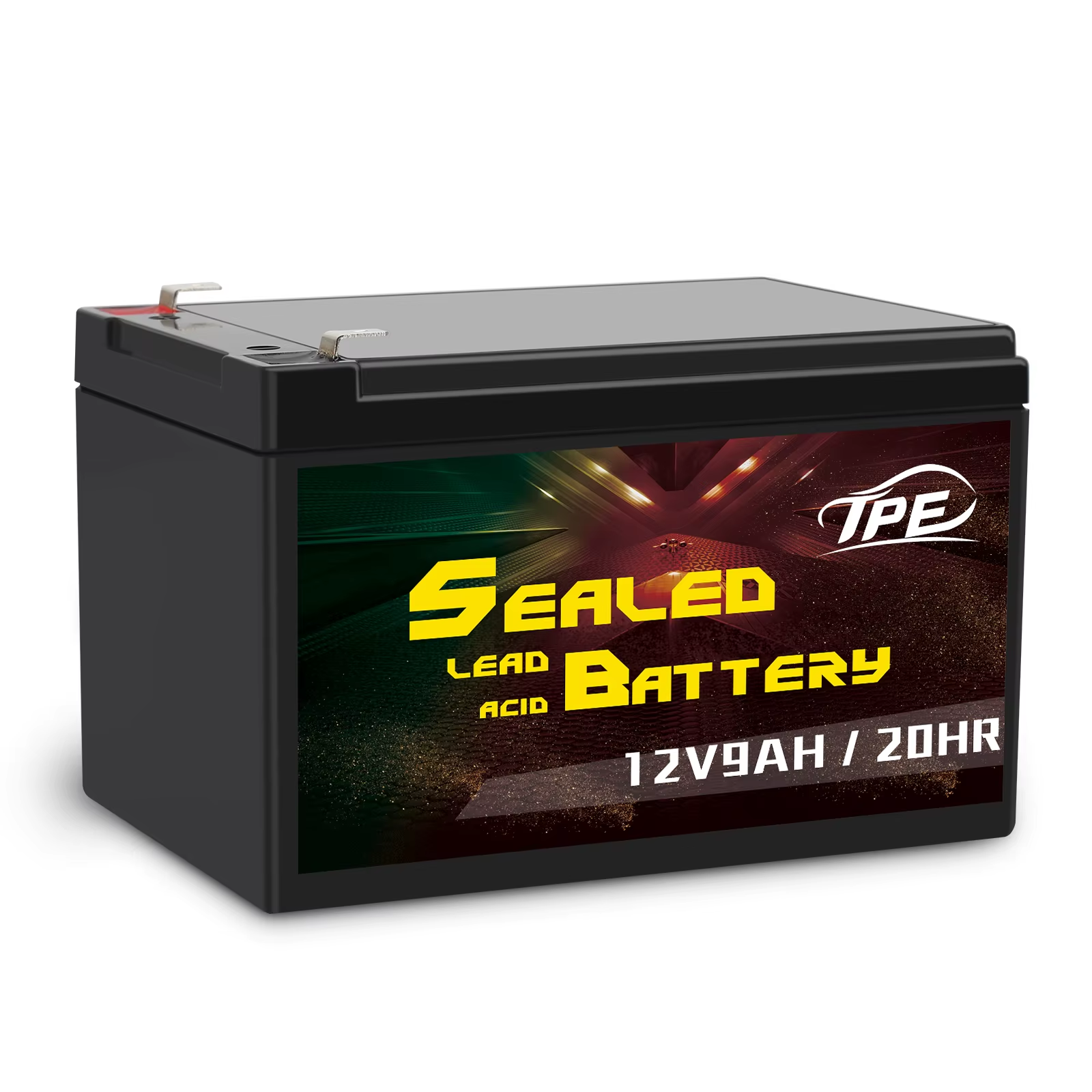
AGM Battery Charging Voltage Guide: 14.4–14.8V Bulk + Safety Tips

Contact me immediately if you encounter problems!

All Categories
Optimal Charging Voltage Protocols for Maximum Battery Longevity and Safety

Optimal Charging Voltage Protocols for Maximum Battery Longevity and Safety

Maintaining the correct agm battery charging voltage is critical to preventing premature degradation and maximizing service lifespan. Operating within a precise range of 14.4 to 14.8 volts during the bulk phase and 13.5 to 13.8 volts during float charging prevents destructive gassing and plate corrosion. Our technical guidelines help global users configure smart chargers properly, ensuring up to thirty percent longer operating life and optimal energy efficiency across all industrial and automotive applications.
Get A Quote

Case Study

Commercial Fleet Charging Optimization

Calibrating the alternator charging voltage across a large commercial delivery fleet prevented chronic overcharging issues that previously ruined batteries within eighteen months. Implementing strict voltage control guidelines extended average battery operational lifespan to over five years, significantly reducing fleet maintenance expenses and avoiding unexpected delivery vehicle breakdowns throughout the year.

Solar Power System Voltage Tuning

Adjusting the charge controller parameters in a remote renewable energy installation to match recommended agm voltage specs eliminated plate sulfation problems. The precise multi-stage charging process restored battery bank capacity to optimal levels, ensuring reliable nighttime power storage and stable energy output for rural residential microgrid users.

Marine Alternator Voltage Adjustment

Correcting an improperly adjusted marine alternator that exceeded safe charging limits prevented thermal runaway and acid boiling in onboard battery banks. This precise voltage recalibration protected expensive electrical equipment and ensured safe, reliable auxiliary power during extended ocean voyages across unpredictable coastal weather conditions.

Related products

TPE New Energy provides comprehensive technical expertise and state-of-the-art power management systems designed to regulate agm battery charging voltage accurately. Improper charging voltages are the leading cause of premature battery failure, either through undercharging that causes sulfation or overcharging that causes dry-out and plate buckling. Our intelligent multi-stage chargers automatically adjust voltage and current output across bulk, absorption, and float stages to match the unique chemical requirements of absorbent glass mat technology. Backed by extensive industry research and global engineering standards, our solutions ensure optimal energy transfer, maximum safety, and extended operational longevity for all clients.

Frequently Asked Questions

What is the correct charging voltage for an agm battery?

The ideal bulk charging voltage is between 14.4 and 14.8 volts, while the float charging voltage should be maintained between 13.5 and 13.8 volts at room temperature.
Standard chargers often lack precise voltage regulation and can easily overcharge an agm battery; always use a smart charger with an explicit agm setting.
Continuous overcharging causes excessive internal heat, pressure release through safety valves, electrolyte dry-out, and permanent structural damage to the lead plates.
Yes, higher temperatures require a lower charging voltage to prevent thermal damage, while colder temperatures require a slightly higher voltage for effective energy absorption.
Measure the battery terminals with a digital multimeter while the engine runs; a healthy charging voltage should read between 13.8 and 14.8 volts without excessive fluctuation.

Related article

Lighting Battery Solutions For Public Facilities

12

Aug

Lighting Battery Solutions For Public Facilities

Ensuring Reliability in Public Infrastructure Public facilities—ranging from transportation hubs, hospitals, and schools to government buildings and urban parks—demand an uncompromising standard of safety and operational continuity. Whe...
View More
How to Charge a Marine Battery with Solar Panels?

03

Sep

How to Charge a Marine Battery with Solar Panels?

Harnessing Solar Energy for Reliable Marine Power Systems Transitioning toward sustainable, renewable energy solutions on the water represents one of the most significant advancements for modern boaters, anglers, liveaboard cruisers, and commercial...
View More
Maintenance Free Battery Solutions for Solar Grids

03

Sep

Maintenance Free Battery Solutions for Solar Grids

Transforming Renewable Energy Storage with Modern Solutions Transitioning toward resilient, highly efficient renewable energy infrastructure represents one of the most critical transformations for modern commercial photovoltaic installations, off-g...
View More

Customer Testimonials

Oliver Vance

Following these precise charging voltage recommendations solved our chronic battery failure issues and doubled the working lifespan of our entire delivery fleet.

Charlotte Reed

The detailed voltage calibration advice helped us configure our solar charge controller perfectly, preventing overcharging and ensuring steady year-round power storage.

Get a Free Quote

Our representative will contact you soon.
Email
Mobile/WhatsApp
Name
Company Name
Message
0/1000
Multi-Stage Smart Charging Architecture

Multi-Stage Smart Charging Architecture

Our intelligent charging systems utilize a sophisticated multi-stage algorithm that dynamically adjusts the agm battery charging voltage across bulk, absorption, and float phases. By monitoring internal resistance and ambient temperature in real-time, the charger delivers the exact current and voltage required without risking over-pressurization or plate damage. This precise electronic control optimizes chemical recombination efficiency, ensures complete state-of-the-art energy replenishment, and maximizes the operational longevity of your valuable power storage investments.
Temperature Compensation Technology

Temperature Compensation Technology

Ambient temperature fluctuations significantly impact optimal charging parameters; our advanced systems feature automatic temperature compensation sensors. These sensors adjust the charging voltage downwards in hot summer conditions to prevent thermal runaway, and upwards during freezing winter mornings to ensure adequate energy absorption. This intelligent adaptation protects internal cell components from premature degradation, guaranteeing reliable, safe, and consistent battery performance across diverse global climates and seasonal operational extremes.