 EN
EN

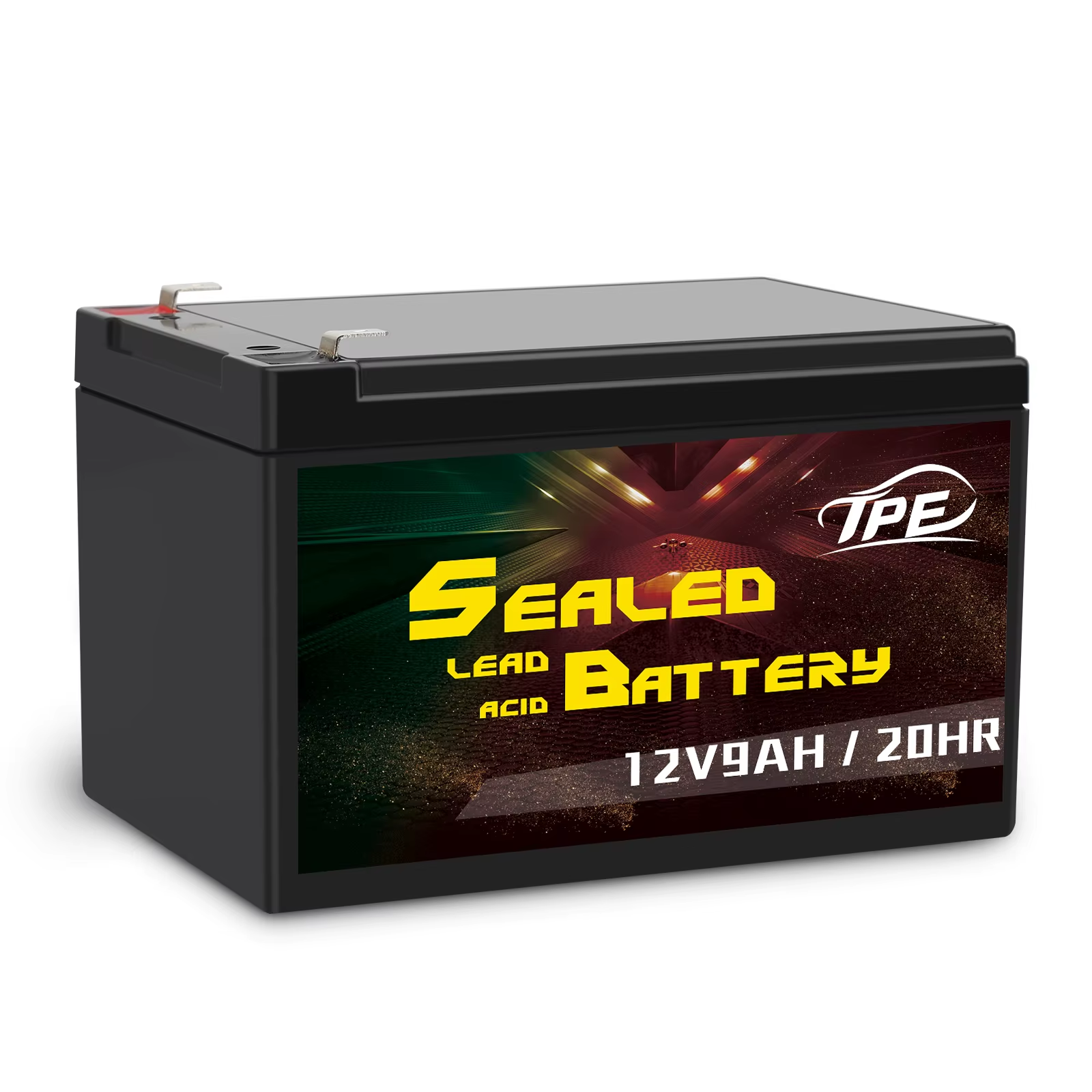
Ensuring Reliability in Public Infrastructure
Public facilities—ranging from transportation hubs, hospitals, and schools to government buildings and urban parks—demand an uncompromising standard of safety and operational continuity. When the primary grid fails, the responsibility of maintaining clear, safe exit paths, illuminated stairwells, and operational security lighting falls entirely on the secondary power system. In our experience working with diverse municipal projects and infrastructure upgrades, the choice of a high-quality lighting battery is not merely a technical specification to be checked off; it is a fundamental pillar of public safety. Modern systems now favor advanced chemistries like LiFePO4 (Lithium Iron Phosphate) due to their superior cycle life, exceptional thermal stability, and consistent discharge profiles compared to legacy lead-acid or nickel-cadmium systems.
Technical Performance and System Integration
When selecting a lighting battery for public infrastructure, efficiency and reliability are the primary metrics. Our technical analysis and industry benchmarking confirm that lithium-based solutions provide up to 95% conversion efficiency, a significant improvement over the 70–80% efficiency commonly seen in older technologies. This translates to more effective use of stored energy, allowing for more compact battery packs that can be seamlessly and discreetly integrated into modern architectural fixtures without sacrificing required runtime. Furthermore, the rapid recharge capability—which typically allows for full recovery in 3 to 6 hours—ensures that lighting systems recover quickly after power restoration, maintaining operational continuity in high-traffic zones like hospitals or transit terminals.
Durability for Challenging Environments
Public spaces are frequently exposed to harsh, unpredictable conditions, including extreme temperature fluctuations, high humidity levels, and constant physical vibration. A truly robust lighting battery must be housed in specialized enclosures that meet or exceed specific IP (Ingress Protection) ratings to prevent performance degradation from these environmental stressors. In outdoor applications like street lighting, park pathways, or perimeter security for municipal buildings, effective thermal management is absolutely critical; advanced battery modules must maintain performance in both freezing winters and scorching summers. Our approach emphasizes "ruggedized" energy storage that utilizes long-life cells capable of withstanding 2,000 to 5,000 charge/discharge cycles without significant capacity loss. By prioritizing such durability, municipalities can significantly reduce long-term maintenance costs and minimize the frequency of on-site service interventions, which are often costly, hazardous, and disruptive in high-traffic public areas. Investing in hardware that is physically engineered to survive the rigors of public installation is the most effective way to guarantee long-term operational success.
Strategic Planning for Long-Term Maintenance
The transition to intelligent lighting management is fundamentally reshaping how we approach facility maintenance and operational expenditure. Modern lighting battery systems often incorporate self-diagnostic capabilities, which allow facility managers to monitor battery health, state-of-charge, and remaining capacity remotely through centralized building management systems. This proactive, data-driven approach eliminates the guesswork of manual testing and ensures that systems are always "inspection-ready" for regulatory safety audits. When planning a lighting upgrade or a facility renovation, it is essential to consider the entire lifecycle cost of the installation rather than focusing solely on the initial procurement price. A high-quality battery solution that provides 5–10 years of service life offers a significantly lower total cost of ownership than a cheaper alternative that requires replacement every two years. By focusing on quality and integrated smart features, you build a sustainable foundation that is as cost-effective as it is reliable. Ultimately, a well-planned lighting battery strategy protects both people and assets, ensuring your facility remains a beacon of safety regardless of external grid conditions.