 EN
EN

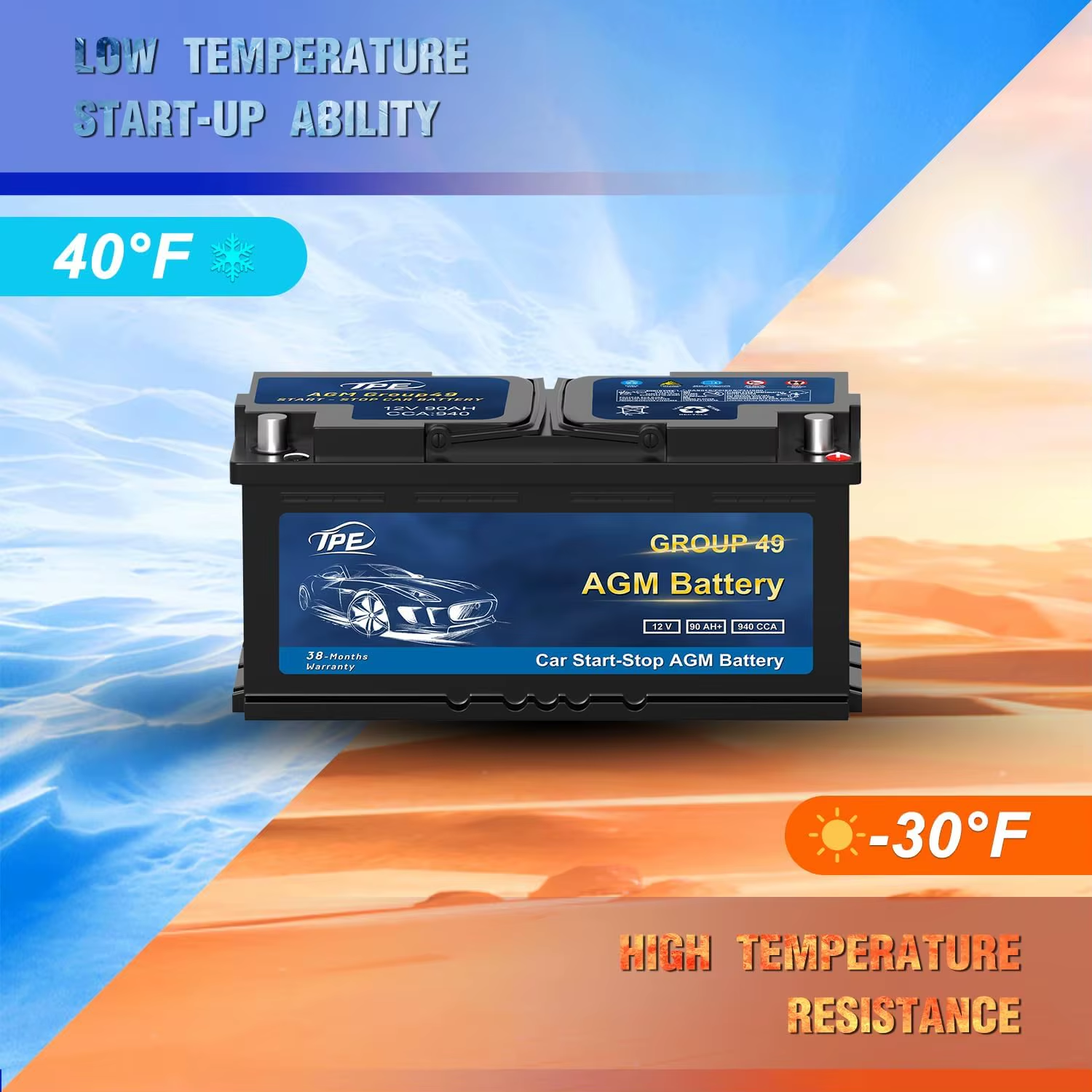
Understanding the Role of Lead Acid Batteries in Solar Projects
When you embark on a solar energy journey, the battery bank often acts as the "heart" of your system. A lead acid battery remains one of the most reliable and time-tested solutions for energy storage. Unlike lithium-ion counterparts, which can be significantly more expensive, lead acid options provide a cost-effective, robust path to energy independence. In my years of experience helping clients design their off-grid or hybrid solar setups, the most common mistake I encounter is focusing solely on capacity (amp-hours) while ignoring the battery’s specific chemistry and intended application. A high-quality lead acid battery is meticulously designed to handle the cyclical nature of solar power—storing excess energy during peak sunlight and releasing it steadily when panels are inactive. Choosing the right one requires a thoughtful balance between your budget, your maintenance tolerance, and the specific power demands of your home or project. By selecting the right technology, you ensure that your energy system remains stable and dependable even during periods of low sunlight.
Distinguishing Between Battery Types for Solar Applications
Not all batteries are created equal. When selecting a lead acid battery, you will primarily encounter two categories: Flooded Lead Acid (FLA) and Valve-Regulated Lead Acid (VRLA), which encompasses both AGM (Absorbent Glass Mat) and Gel technologies.
Key Technical Considerations for System Compatibility
To ensure your lead acid battery performs optimally for years, you must align it perfectly with your solar charge controller and inverter settings. A critical technical factor that many beginners overlook is the Depth of Discharge (DoD). While a lead acid battery can be discharged significantly, regularly pushing it beyond 50% capacity can drastically shorten its overall cycle life.
Evaluating Quality and Longevity for Sustainable Power
Trustworthiness in energy storage comes down to build quality and adherence to industry-standard safety practices. When reviewing potential options for your solar array, prioritize brands that provide clear cycle-life charts and depth-of-discharge data. A robust lead acid battery should feature thick, high-density plates designed specifically for deep cycling, rather than the thin, high-surface-area plates often found in automotive starter batteries. It is essential to remember that even the best-engineered lead acid battery requires consistent, proper charging habits to maintain its capacity. If you are using a solar system to achieve long-term energy autonomy, ensuring your charge controller is accurately programmed for the specific absorption and float voltages recommended by the manufacturer will protect your financial investment. By following these professional guidelines, you can guarantee a consistent, reliable power supply that will serve your household needs for years to come, providing the peace of mind that comes with a well-planned energy solution.