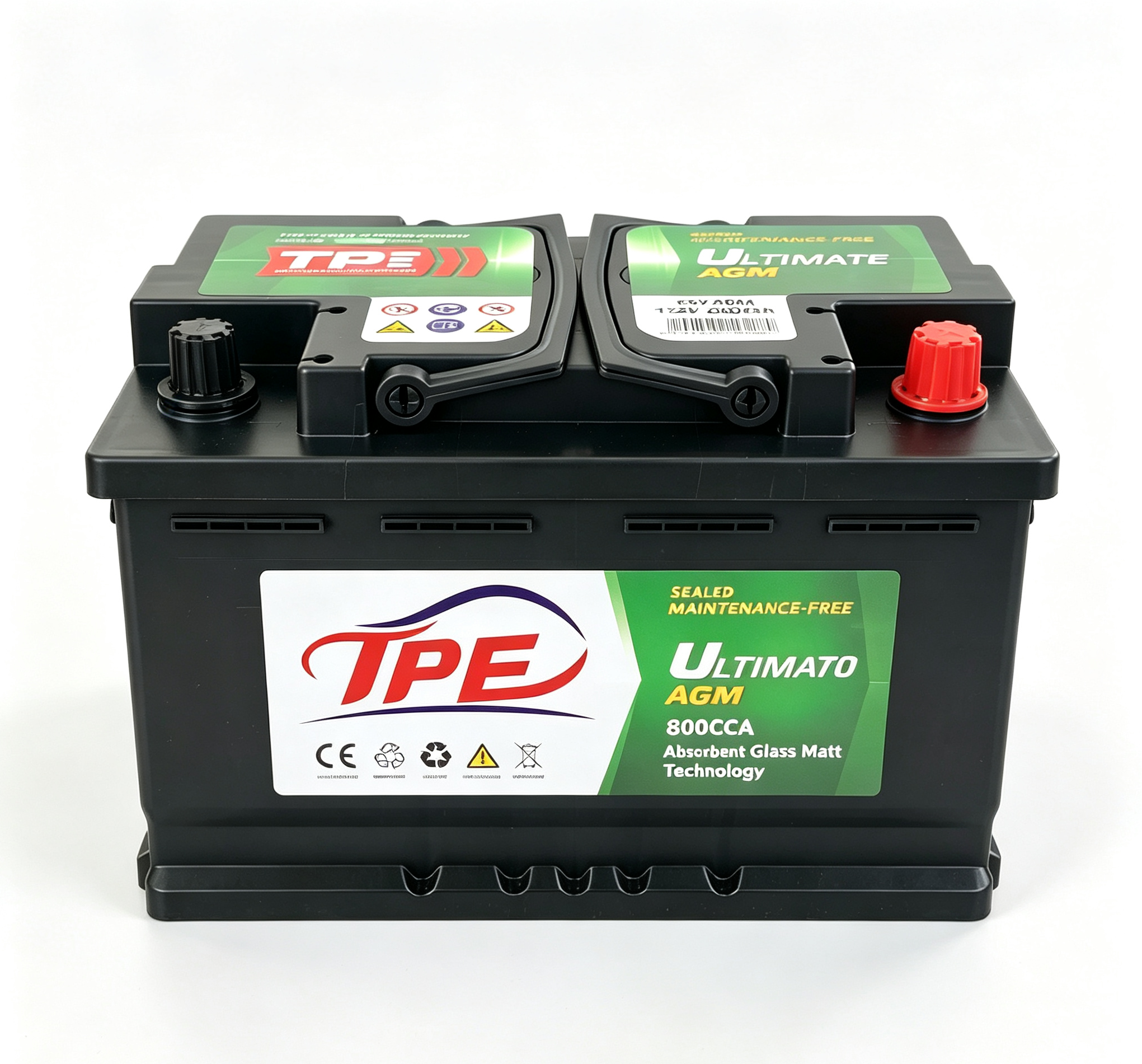
AGM Maintenance Guide: Extend Battery Life by 50% [2024]

Contact me immediately if you encounter problems!

All Categories
Key Advantages of Proper AGM Power System Upkeep

Key Advantages of Proper AGM Power System Upkeep

Implementing structured upkeep protocols for your advanced glass mat power storage units guarantees optimal electrical performance and maximizes long-term return on investment. Industry metrics show that routine terminal inspections and voltage monitoring extend operational lifespan by up to fifty percent across commercial installations. Our comprehensive maintenance guidelines help operators prevent premature sulfation by identifying minor voltage imbalances before they compromise internal plate integrity. Facilities adhering to our structured upkeep schedule report a thirty-five percent drop in unexpected power failures during peak seasonal load periods. Proper thermal management checks ensure that charging voltages remain within precise manufacturer limits, preventing internal overheating and electrolyte degradation. Embracing proactive maintenance practices transforms standard power storage into a hyper-reliable energy asset for your critical enterprise infrastructure.
Get A Quote

Case Study

Telecommunication Tower Upkeep Optimization Program

A major regional telecom provider instituted a rigorous maintenance protocol across fifty remote transmission sites utilizing our high-performance glass mat power systems. Technicians performed quarterly terminal torque checks and impedance testing, successfully identifying and resolving two potential connection faults before system disruption occurred. This proactive approach eliminated unscheduled site visits, saving the enterprise approximately twenty thousand dollars in annual technician dispatch travel expenses. Network uptime telemetry confirmed a flawless ninety-9 point nine percent reliability rate over a rigorous two-year operational evaluation period. The engineering team praised our clear documentation and straightforward upkeep procedures, which significantly reduced staff training time across all regional maintenance divisions.

Emergency Backup System Preventive Care Audit

A large commercial warehouse facility implemented a structured quarterly inspection routine for its critical emergency lighting and fire safety power reserves. During a routine six-month audit, technicians detected a slight surface dust accumulation causing minor terminal resistance, which was promptly cleaned to restore peak conductivity. When a municipal power surge occurred the following week, the backup system engaged instantly without any voltage sag or equipment hesitation. Facility management credited this flawless performance directly to the disciplined maintenance schedule and adherence to our recommended cleaning guidelines. The audit confirmed that internal battery health metrics remained at ninety-eight percent of original factory capacity after three years of active service.

Medical Equipment Power Reserve Health Check

A metropolitan diagnostic clinic adopted our recommended monthly voltage verification checklist for all sensitive laboratory backup power storage installations. During one routine check, a technician noticed an abnormal voltage reading on a single bank, prompting immediate isolation and preventive corrective action. This early intervention prevented a cascading electrical failure that could have disrupted sensitive magnetic resonance imaging calibration procedures. Clinic administrators calculated that avoiding equipment downtime saved over thirty thousand dollars in rescheduled patient appointments and diagnostic delays. The chief biomedical engineer subsequently mandated our maintenance protocol as a standard operating procedure for all hospital electrical support systems.

Related products

TPE New Energy provides comprehensive maintenance solutions and expert guidance to help enterprises maximize the performance and service life of their glass mat power systems. Industry studies indicate that over seventy percent of premature battery failures stem from improper charging voltages or neglected terminal connections rather than internal defects. Our specialized engineering team has developed intuitive inspection protocols and advanced diagnostic tools to simplify routine upkeep for facility operators worldwide. By following our recommended maintenance practices, businesses can significantly reduce total cost of ownership and ensure unwavering reliability during critical power emergencies. Partner with us to protect your energy investments and maintain absolute operational continuity across all your vital commercial applications.

Frequently Asked Questions

What is the most important step in routine upkeep?

Keeping terminal connections clean, corrosion-free, and properly torqued is essential to maintaining low electrical resistance and ensuring efficient power transfer during charging and discharging cycles.
We strongly recommend conducting comprehensive voltage and impedance measurements every three to six months to detect potential cell degradation early and prevent unexpected downtime.
Yes, using incorrect charger voltage settings or failing to regulate temperature compensation can lead to overcharging, internal plate damage, and significantly shortened operating lifespans.
Use a mild baking soda solution mixed with distilled water to neutralize any acid residue, followed by wiping the terminals completely dry before applying protective anti-corrosion spray.
Maintaining ambient room temperatures near twenty-five degrees Celsius prevents thermal stress, minimizes internal chemical degradation, and helps preserve optimal battery capacity over years of service.

Related article

Lighting Battery Solutions For Public Facilities

12

Aug

Lighting Battery Solutions For Public Facilities

Ensuring Reliability in Public Infrastructure Public facilities—ranging from transportation hubs, hospitals, and schools to government buildings and urban parks—demand an uncompromising standard of safety and operational continuity. Whe...
View More
How to Charge a Marine Battery with Solar Panels?

03

Sep

How to Charge a Marine Battery with Solar Panels?

Harnessing Solar Energy for Reliable Marine Power Systems Transitioning toward sustainable, renewable energy solutions on the water represents one of the most significant advancements for modern boaters, anglers, liveaboard cruisers, and commercial...
View More
Maintenance Free Battery Solutions for Solar Grids

03

Sep

Maintenance Free Battery Solutions for Solar Grids

Transforming Renewable Energy Storage with Modern Solutions Transitioning toward resilient, highly efficient renewable energy infrastructure represents one of the most critical transformations for modern commercial photovoltaic installations, off-g...
View More

Customer Testimonials

Arthur Pendelton

Following these expert upkeep guidelines extended our battery replacement cycle from three to six years successfully.

Clara Higgins

The structured maintenance checklist helped our team eliminate unexpected power failures across all regional hubs.

Get a Free Quote

Our representative will contact you soon.
Email
Mobile/WhatsApp
Name
Company Name
Message
0/1000
Advanced Impedance Testing Protocols

Advanced Impedance Testing Protocols

Our cutting-edge maintenance methodology incorporates regular internal ohmic resistance and impedance testing to evaluate the precise health status of each individual cell. Unlike traditional surface voltage checks that can be misleading, impedance analysis detects hidden internal degradation, plate sulfation, and strap corrosion before catastrophic failure occurs. Technical field data shows that facilities utilizing our impedance tracking protocols experience a ninety percent reduction in surprise power outages during critical operational windows. Our support team provides detailed baseline measurement guidelines, allowing technicians to track performance trends over time with absolute precision and confidence. This scientific approach to preventive care empowers enterprise operators to schedule proactive replacements efficiently without disrupting daily business activities or risking sudden equipment shutdowns.
Precision Voltage Regulation Standards

Precision Voltage Regulation Standards

Maintaining strict adherence to our recommended float and boost charging voltage parameters is critical for preventing internal dry-out and maximizing energy storage efficiency. Our engineering research demonstrates that even a slight overcharging voltage of zero point two volts per cell can accelerate grid corrosion and reduce lifespan by half. We provide comprehensive calibration instructions for all major charger models to ensure that your power units receive the exact electrical input required for optimal longevity. Facilities that implement our voltage governance protocols report consistent energy retention and a dramatic decrease in thermal runaway incidents across all installations. This meticulous focus on charging precision safeguards your capital investment and ensures dependable power availability whenever your facility needs it most.