Lithium Battery: The Pinnacle of Modern Energy Storage Technology
In the era of electrification and smart connectivity, the lithium battery stands as an irreplaceable pillar of modern energy storage, revolutionizing how we power daily life, transportation, and industrial operations. Unlike outdated battery technologies that once limited device portability and vehicle range, the lithium battery combines exceptional efficiency with versatile performance, seamlessly energizing everything from tiny wearable gadgets (such as smartwatches and fitness trackers) to heavy-duty electric vehicles (EVs) and large-scale grid storage systems. What truly sets the lithium battery apart is its unmatched ability to balance power and compactness: its superior energy density means it can store far more electricity in a smaller, lighter form factor, eliminating the trade-off between size and performance that plagued traditional batteries for decades. As the most advanced commercialized battery technology today, the lithium battery not only outperforms older alternatives in lifespan and charging speed but also adapts to diverse environmental conditions—from the extreme cold of northern winters to the high heat of desert regions—ensuring reliable operation across use cases. Whether powering a family’s residential solar backup system, extending the range of an electric car, or keeping marine equipment running smoothly at sea, the lithium battery has become the gold standard for consistent, high-quality energy delivery, driving innovation in every sector it touches.
Core Advantages of Lithium Battery
The lithium battery’s dominance in the market stems from a suite of advantages that address the key pain points of traditional battery technologies (such as lead-acid or nickel-cadmium batteries). These strengths make it the first choice for both consumer and industrial applications:
Unrivaled Higher Energy Density: The lithium battery stores significantly more electrical energy per unit of volume and weight compared to conventional batteries. For example, a lithium battery of the same size as a lead-acid battery can deliver up to three times more power—this is critical for applications where space and weight are at a premium, such as electric vehicles (where it extends driving range without adding excess bulk) or portable electronics (where it enables slim, lightweight designs like smartphones and laptops).
Exceptionally Longer Lifespan: A high-quality lithium battery typically supports 2,000 to 5,000 charge-discharge cycles (defined as the process of fully charging and then discharging the battery) before its capacity drops to 80% of its original level. In contrast, lead-acid batteries usually only last 300 to 500 cycles. This extended lifespan not only reduces the frequency of battery replacements but also lowers long-term costs for users, whether they are homeowners with solar storage or fleet operators with electric trucks.
Rapid Faster Charging: One of the most user-friendly benefits of the lithium battery is its ability to charge at a much faster rate. A standard lithium battery for electric vehicles can reach 80% capacity in as little as 30 minutes when using a fast charger, whereas a lead-acid battery of similar capacity might take 8 to 12 hours to fully charge. For daily commuters or industrial workers relying on battery-powered equipment, this rapid charging capability minimizes downtime and keeps operations running smoothly.
Significantly Lightweight Construction: The lithium battery is far lighter than traditional alternatives—on average, it is 50% to 70% lighter than a lead-acid battery with the same power output. This light weight is a game-changer for mobile applications: in electric motorcycles, it improves handling and acceleration; in RVs and marine vessels, it reduces overall vehicle weight, boosting fuel (or energy) efficiency; and in portable tools (like cordless drills), it reduces user fatigue during extended use.
Minimal Low Maintenance Requirements: Unlike lead-acid batteries, which require regular checks of electrolyte levels, topping up with distilled water, and careful storage to prevent sulfation, the lithium battery is virtually maintenance-free. Its sealed design eliminates the need for fluid checks, and it does not suffer from the “memory effect” (a problem where nickel-cadmium batteries lose capacity if not fully discharged regularly). For busy users or large-scale industrial setups, this means less time spent on upkeep and more time focused on core tasks.
Craftsmanship Highlights: Engineering Excellence Behind Lithium Battery
The exceptional performance of the lithium battery is not just a result of its chemical composition—it is also a product of precision engineering and innovative manufacturing practices that ensure reliability, safety, and adaptability. Every lithium battery undergoes rigorous production processes to meet the highest industry standards, with key craftsmanship highlights including:
Advanced Electrode Material Innovation: The heart of a lithium battery lies in its electrodes, and manufacturers use cutting-edge materials to maximize lithium-ion flow— the key to efficient energy transfer. For the cathode, materials like lithium nickel manganese cobalt oxide (NMC) or lithium iron phosphate (LFP) are selected for their high capacity and stability; for the anode, high-purity graphite (or in some advanced models, silicon) is used to enhance lithium-ion absorption. These materials are processed into thin, uniform layers that optimize contact with the electrolyte, reducing internal resistance and boosting the lithium battery’s overall performance and charge-discharge efficiency.
Precision Cell Manufacturing for Uniform Quality: A lithium battery pack is composed of dozens or even hundreds of individual cells, and even small variations in cell performance can compromise the entire pack. To avoid this, manufacturers use automated precision equipment to produce cells with consistent thickness, material distribution, and voltage output. Each cell undergoes strict testing (including capacity, voltage, and internal resistance checks) before assembly, ensuring that every lithium battery pack delivers stable, uniform power—whether it is powering a small drone or a large industrial backup system.
Integrated BMS (Battery Management System) for Safety: Safety is a top priority in lithium battery design, and the integrated BMS is its most critical safety feature. The BMS is a smart electronic system that continuously monitors the lithium battery’s state, including voltage, current, and temperature. It prevents overcharging (which can cause cell damage or overheating), over-discharging (which shortens lifespan), and overcurrent (which can lead to fires). In some advanced lithium battery models, the BMS also balances the charge across individual cells, ensuring no single cell is overworked—further extending the battery’s lifespan and reliability.
Sealed, Corrosion-Resistant Construction: The lithium battery features a hermetically sealed casing made from durable materials like aluminum alloy or high-grade plastic. This sealed design protects the internal components from moisture, dust, and corrosive substances—critical for applications in harsh environments, such as marine equipment (exposed to saltwater) or outdoor solar storage (exposed to rain and humidity). Unlike lead-acid batteries, which can leak acid if damaged, the sealed lithium battery is safe to install in tight spaces or near sensitive equipment.
Flexible Customization for Specific Needs: Every application has unique power requirements, and the lithium battery’s design allows for high flexibility. Manufacturers can customize the lithium battery’s voltage (by connecting cells in series), capacity (by connecting cells in parallel), and form factor (from small cylindrical cells for electronics to large prismatic cells for EVs) to match specific user needs. For example, a residential solar system might use a 48V lithium battery pack with 10kWh capacity, while a electric boat might require a compact, waterproof lithium battery with high discharge rates to power its motors. This customization ensures the lithium battery can meet the demands of even the most specialized applications, from medical devices to off-grid industrial setups.
In summary, the lithium battery is more than just a power source—it is a product of advanced materials science and precision engineering, offering unmatched advantages in energy density, lifespan, and safety. As the world continues to shift toward electrification and renewable energy, the lithium battery will remain at the forefront, powering a more efficient, sustainable future for all.
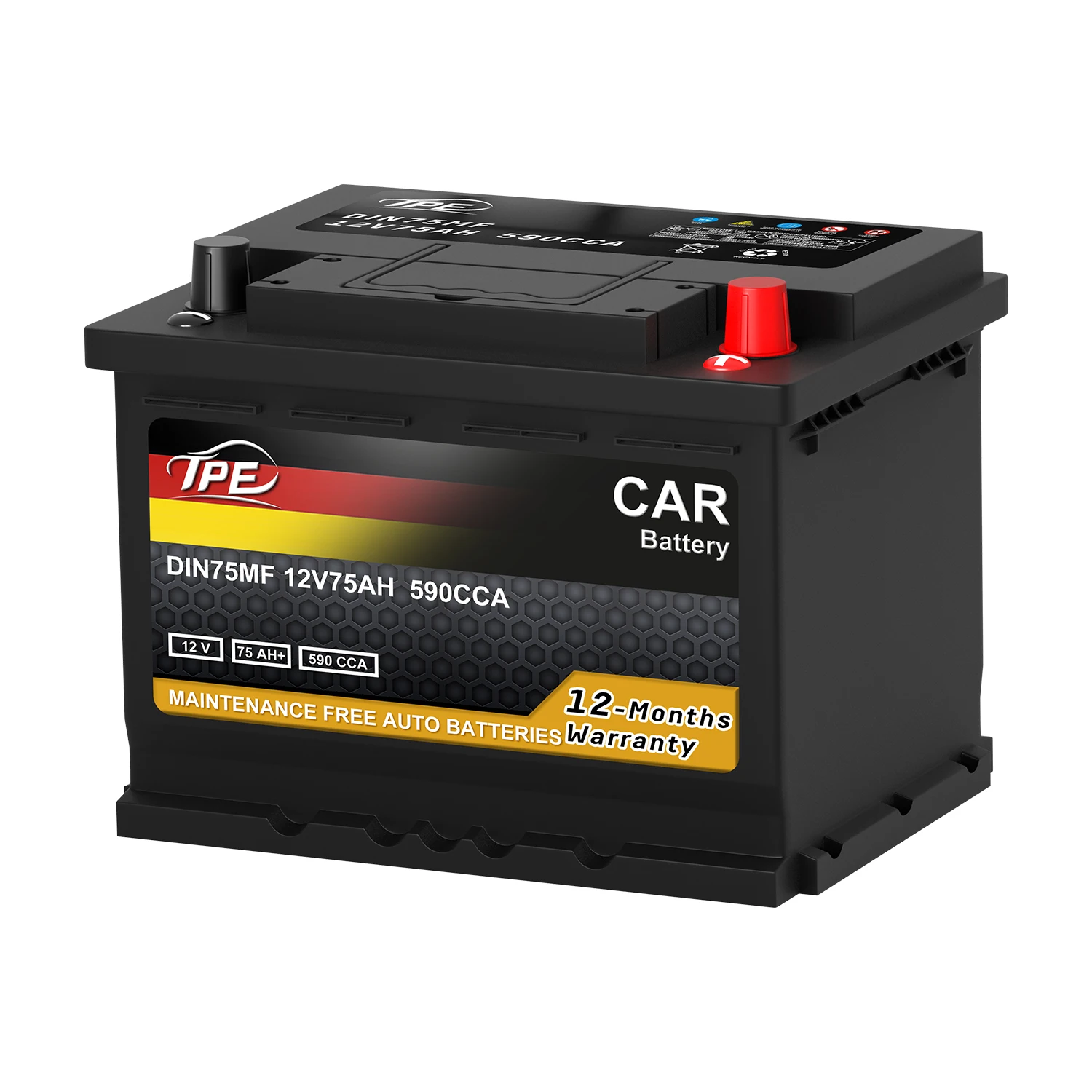
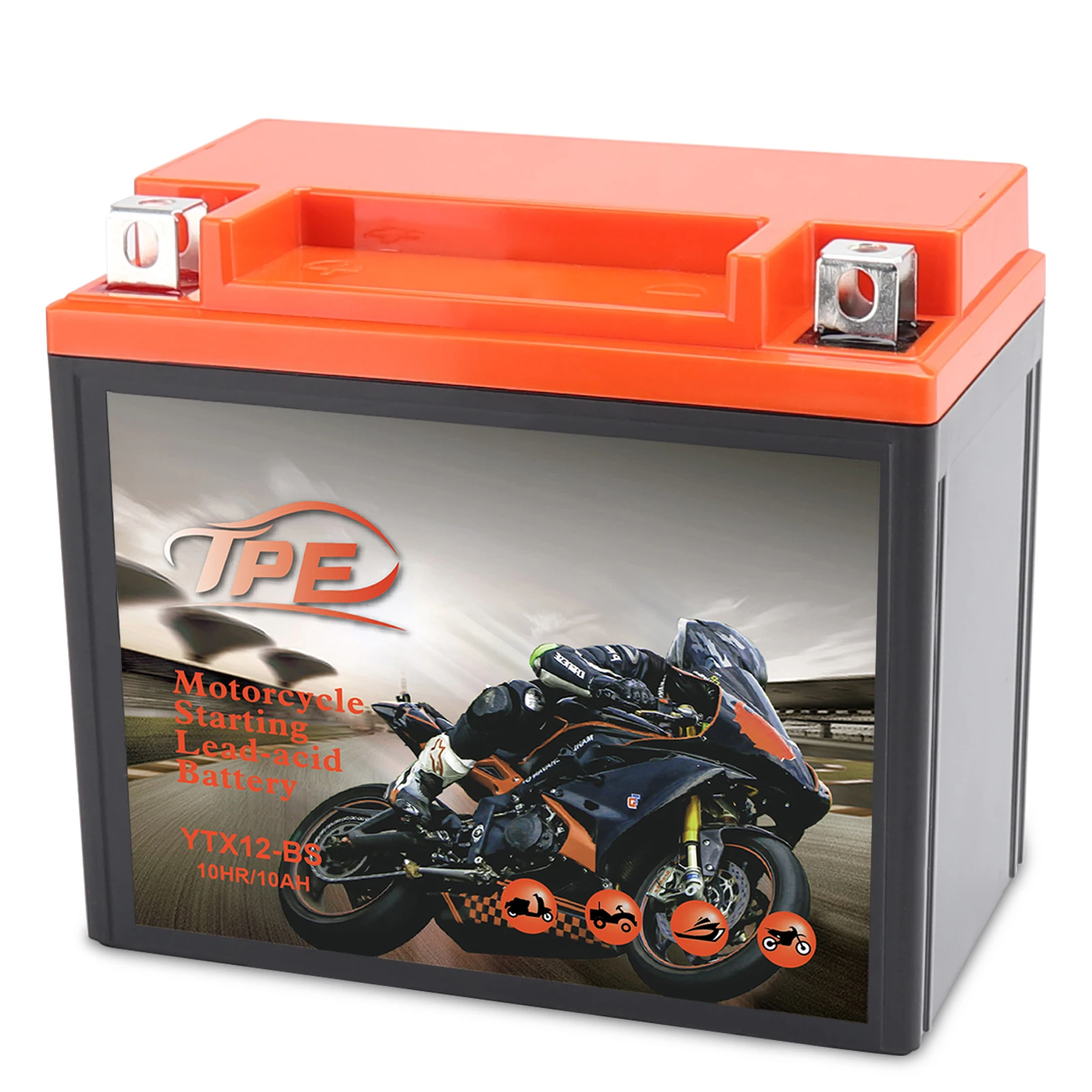
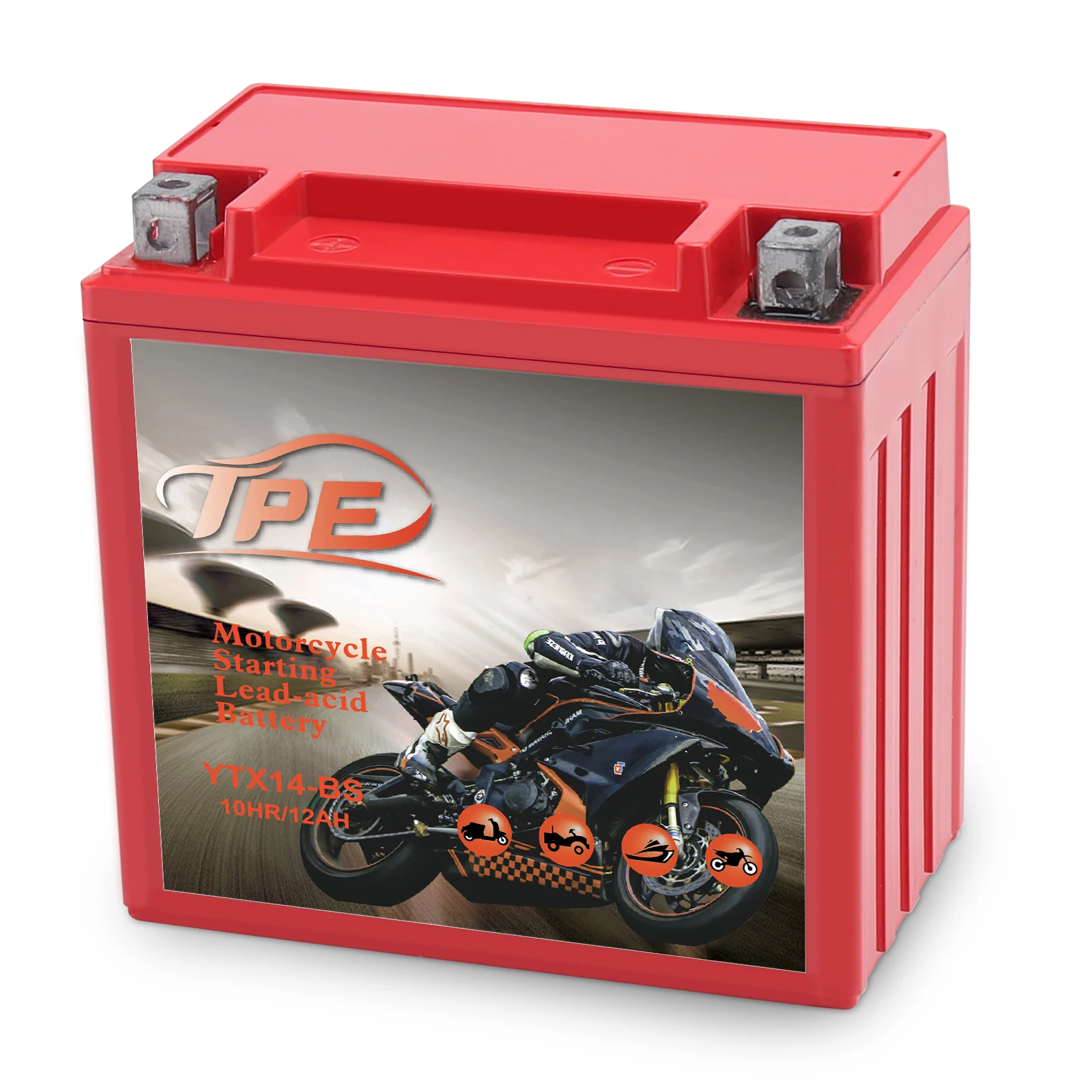
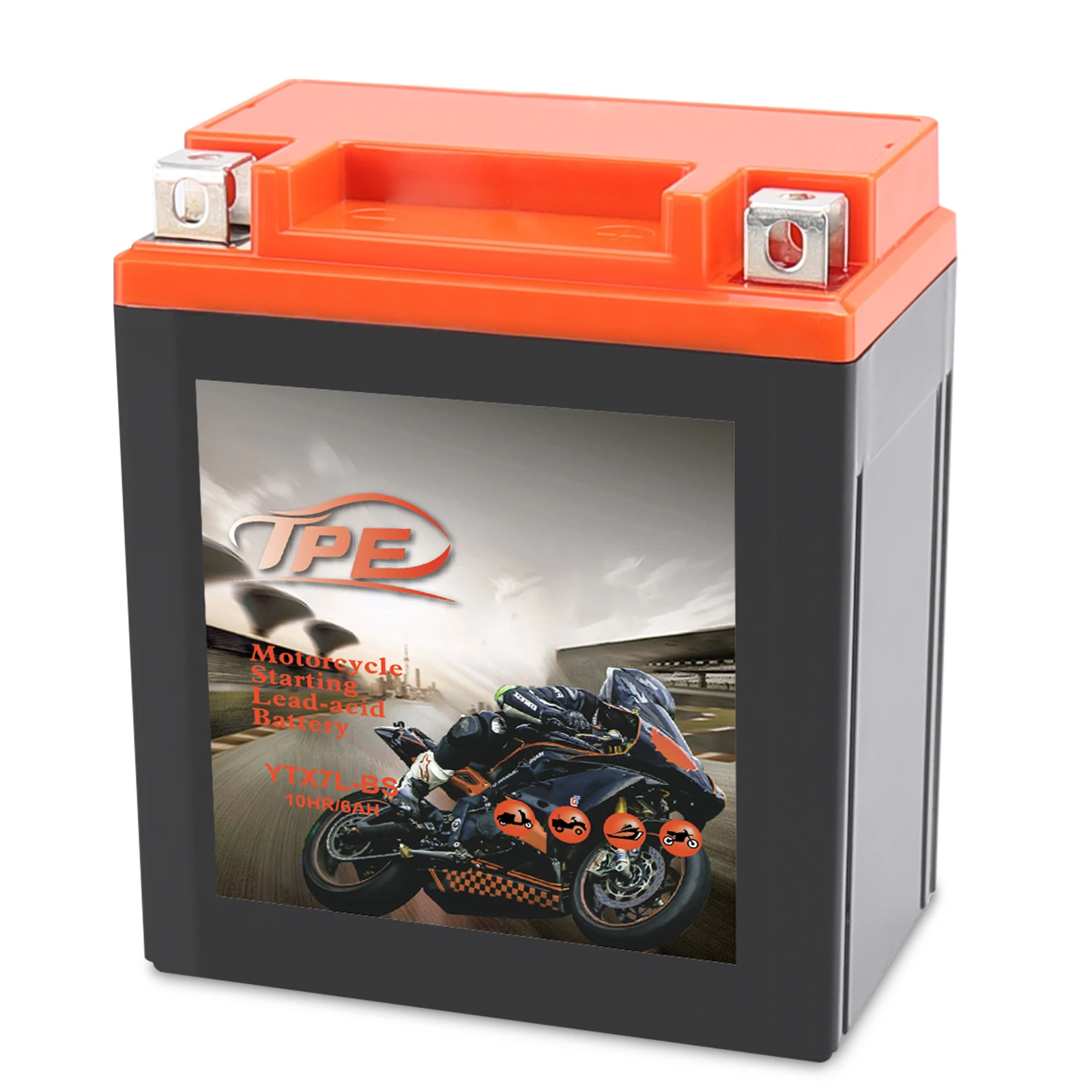
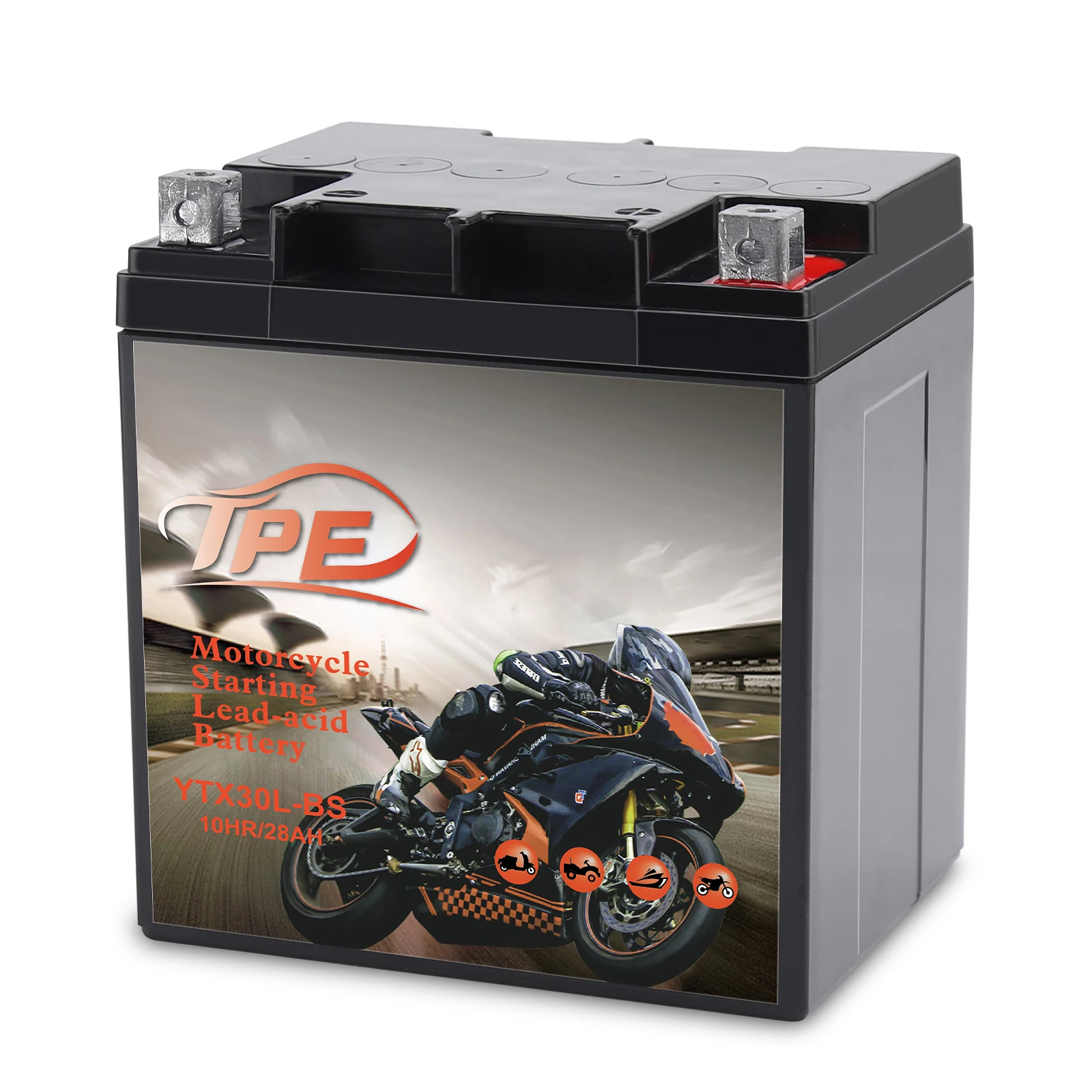
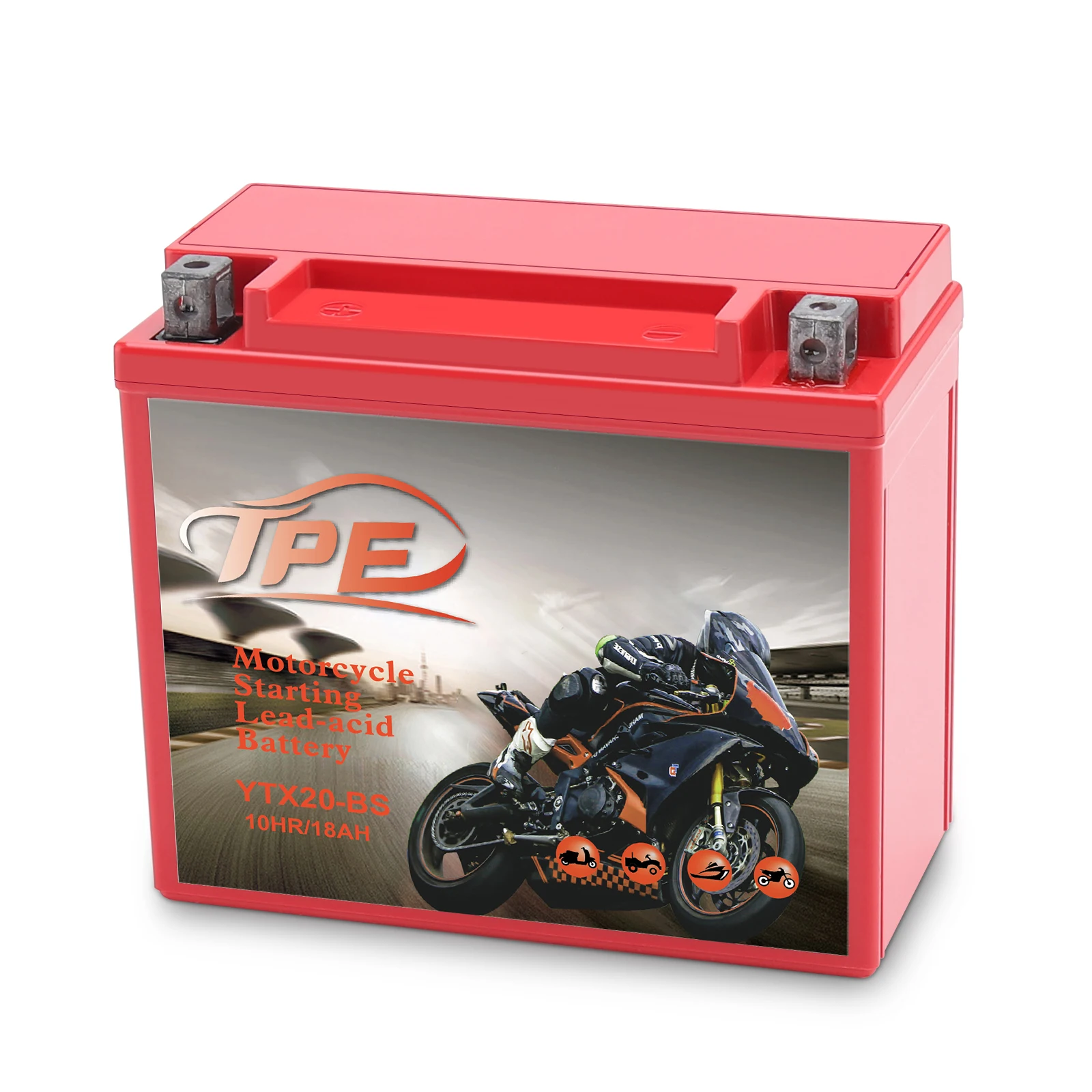
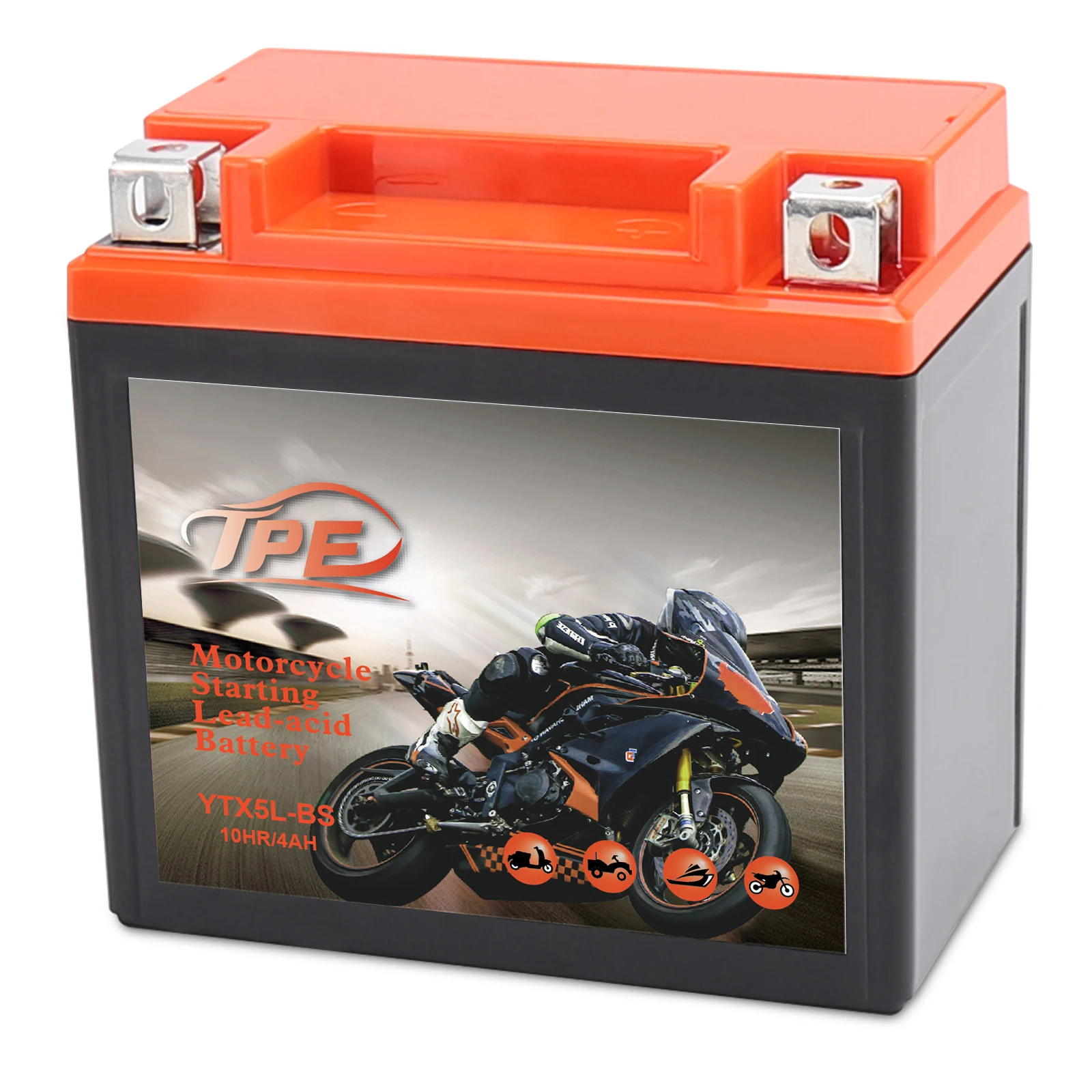
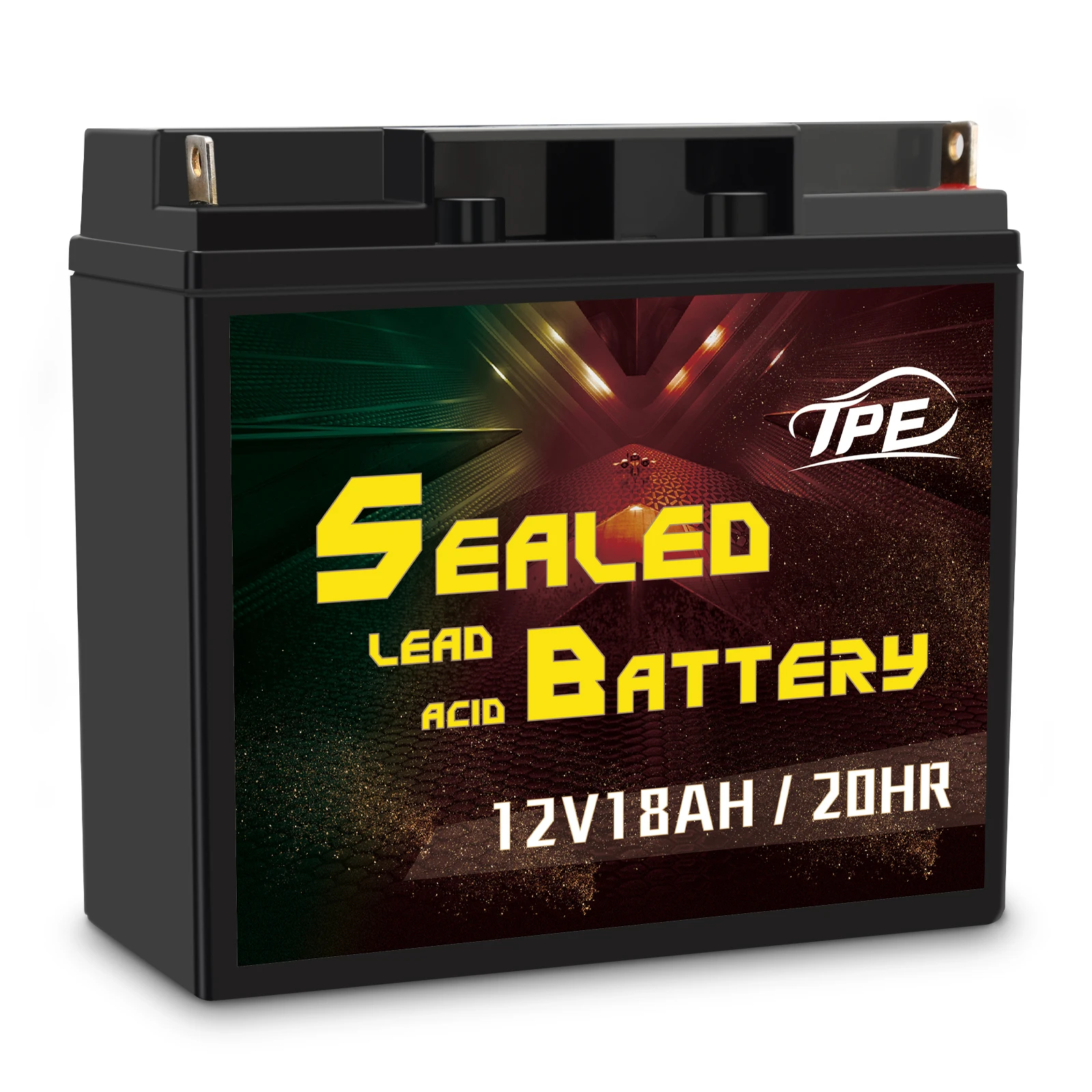
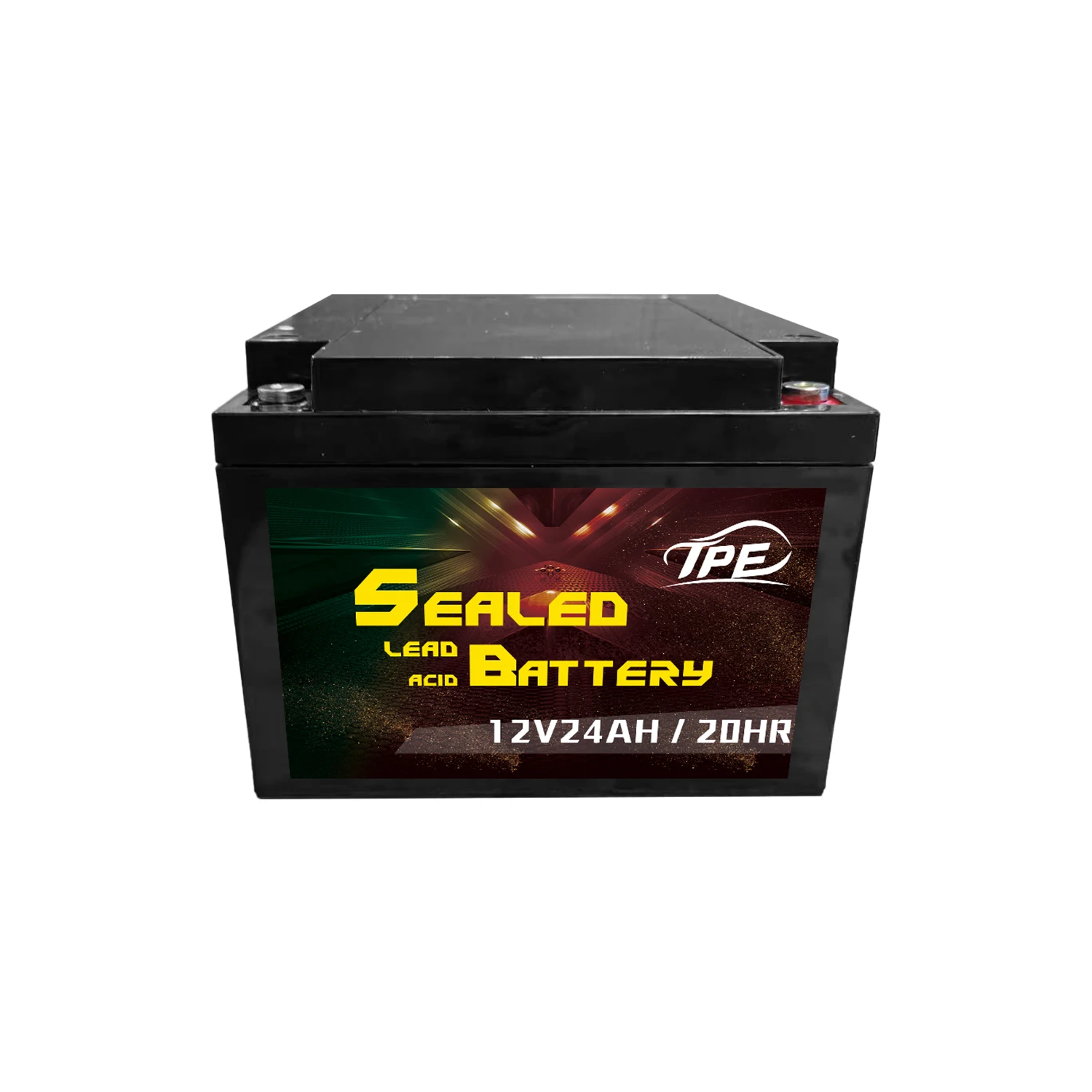
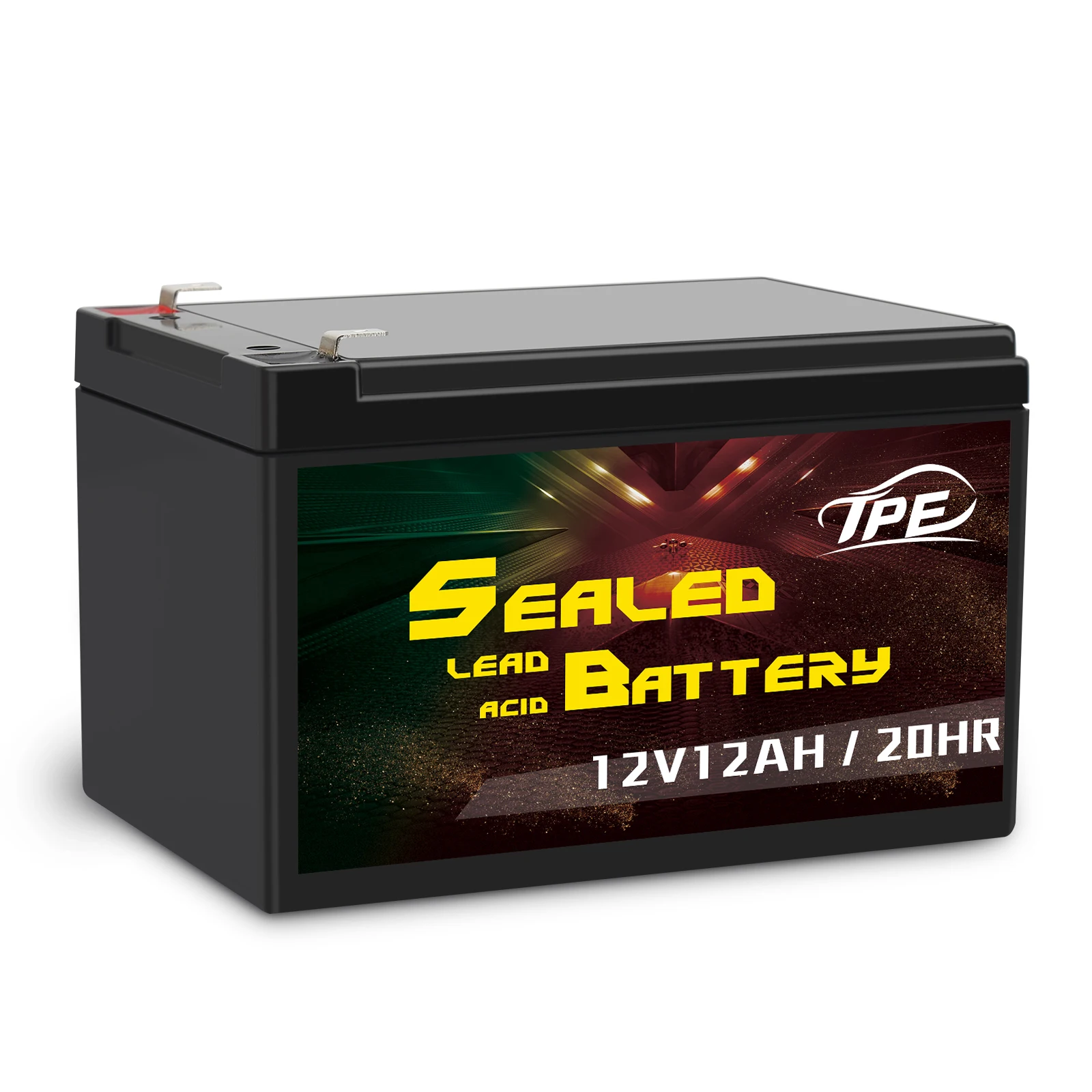
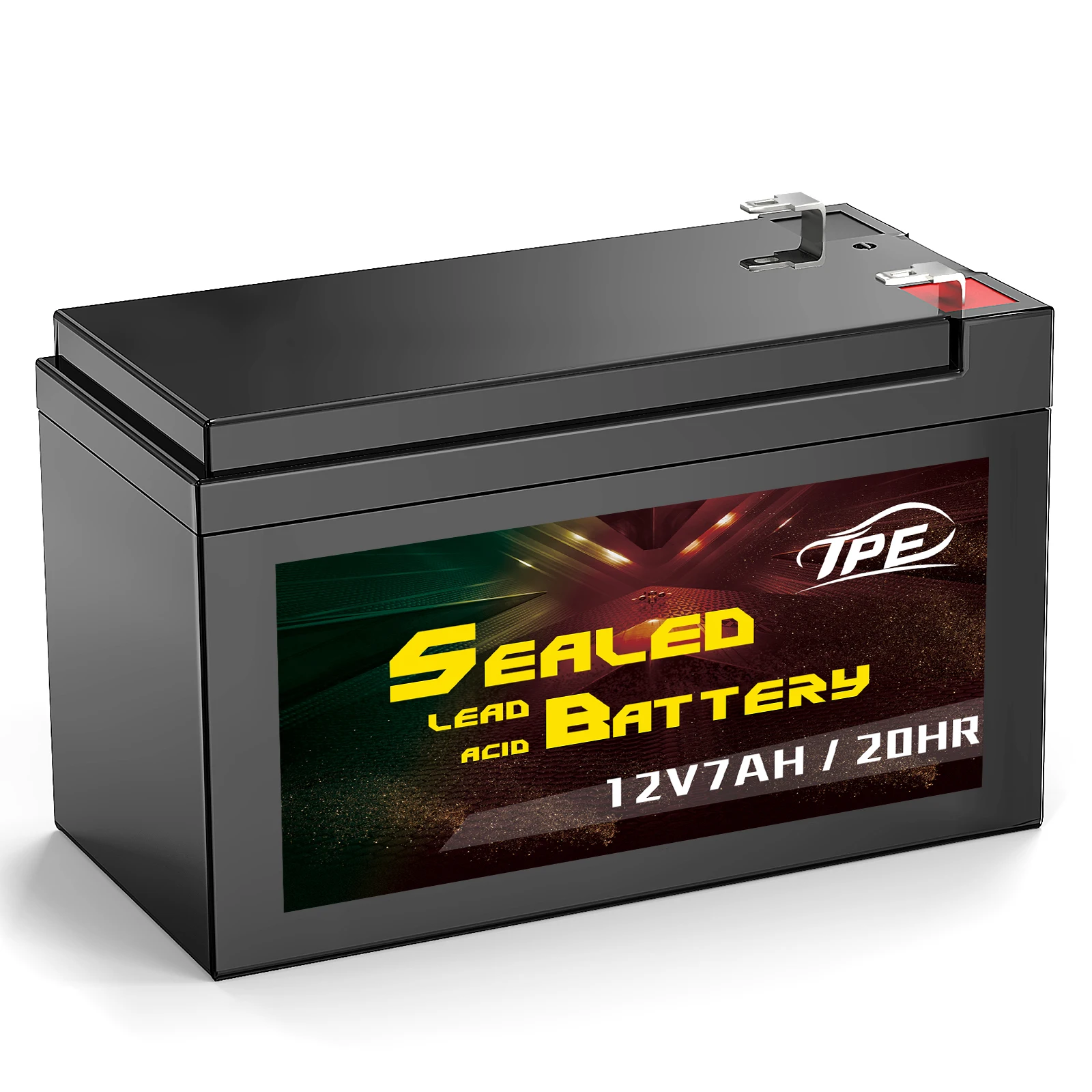
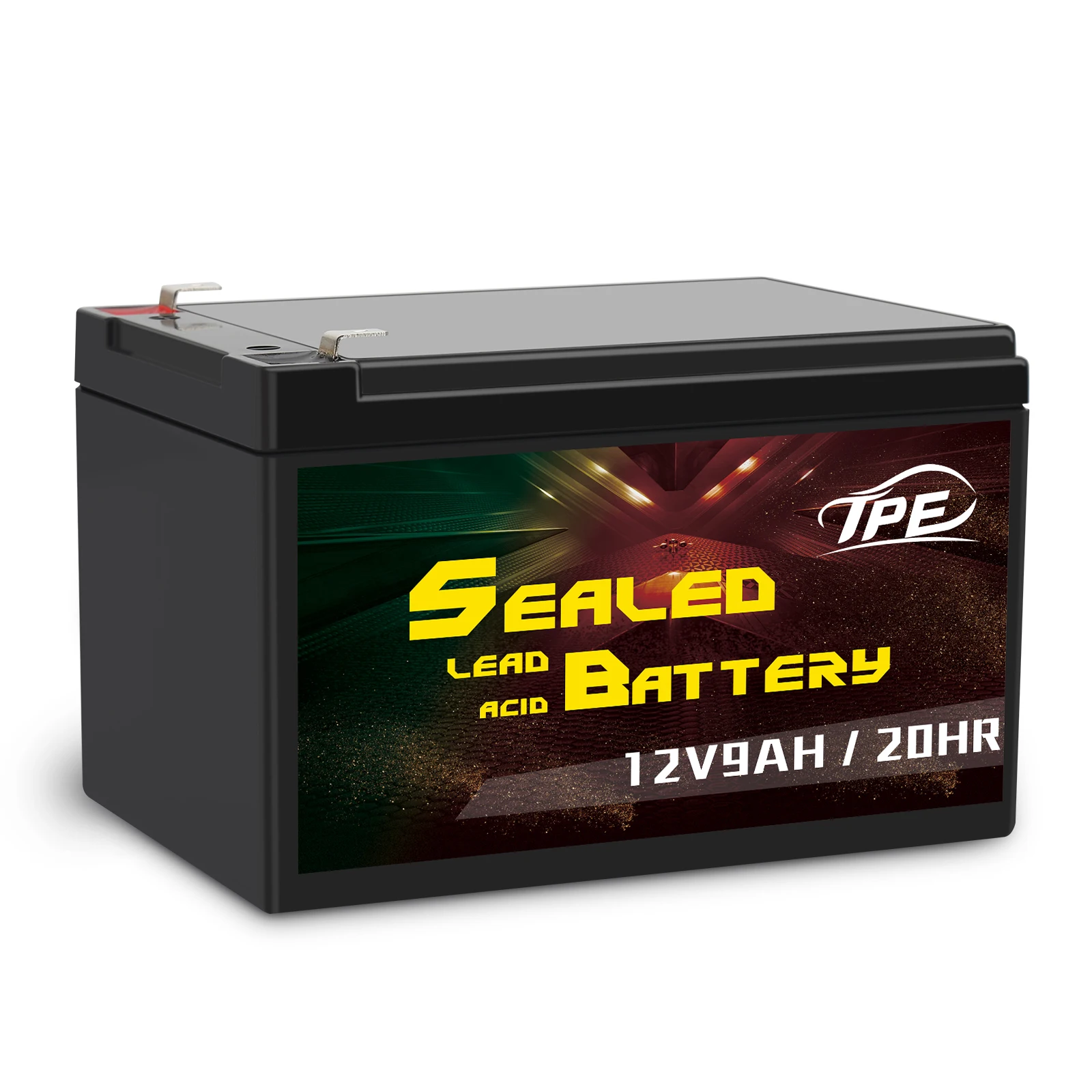

TPE Electronic Technology manufactures custom lithium, AGM, and deep-cycle batteries for EVs, automotive, and energy storage. ISO9001/CE/UL certified. Global supply chain. Request a quote today.
Room 605, Dreamland Times Building,Heping Road East, Long Hua Town, Long Hua District, Shenzhen, China
Copyright © 2025 by TPE Electronic Technology Co., Ltd. Privacy Policy
 EN
EN