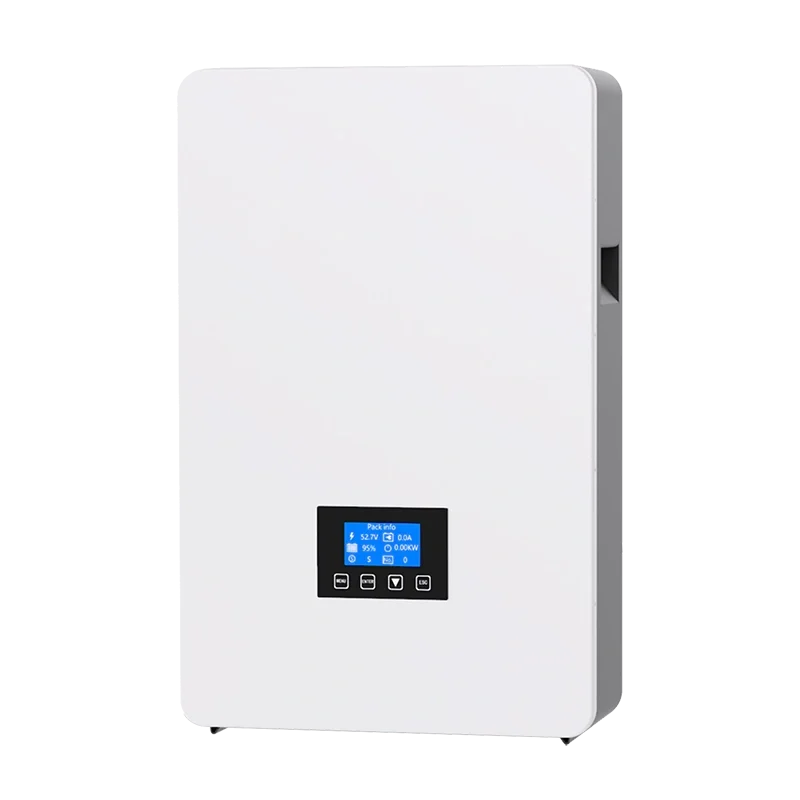
The global solar-plus-storage revolution has seen energy storage costs plummet by as much as 89% over the past decade, driving a market worth hundreds of billions of yuan. This phenomenon is no accident, but rather the inevitable result of a complex interplay of factors, including technological advancement, economies of scale, policy support, a mature industry chain, and market demand.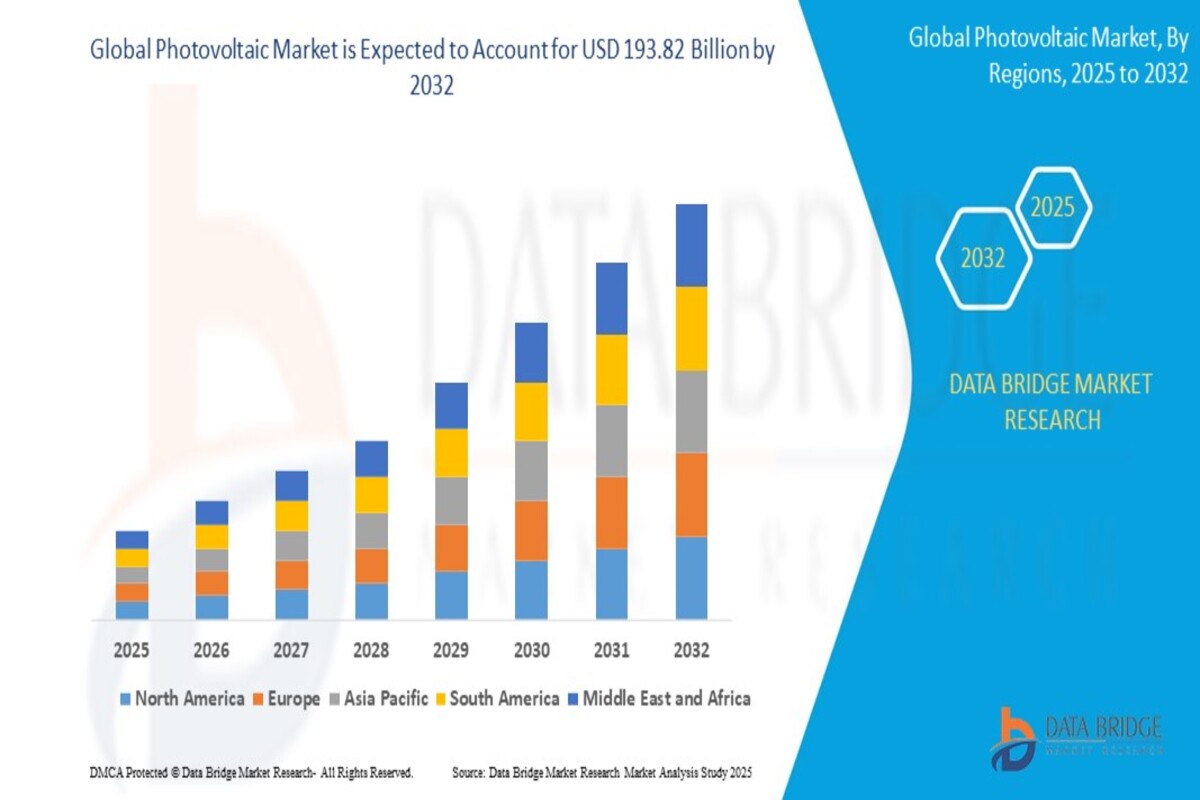
The following analyzes the underlying logic from five key perspectives:
1. Technological Iteration: The Core Engine for Cost Reduction and Efficiency Improvement
The dramatic decline in energy storage costs is primarily attributed to the rapid advancement of electrochemical energy storage technology, particularly lithium-ion batteries.
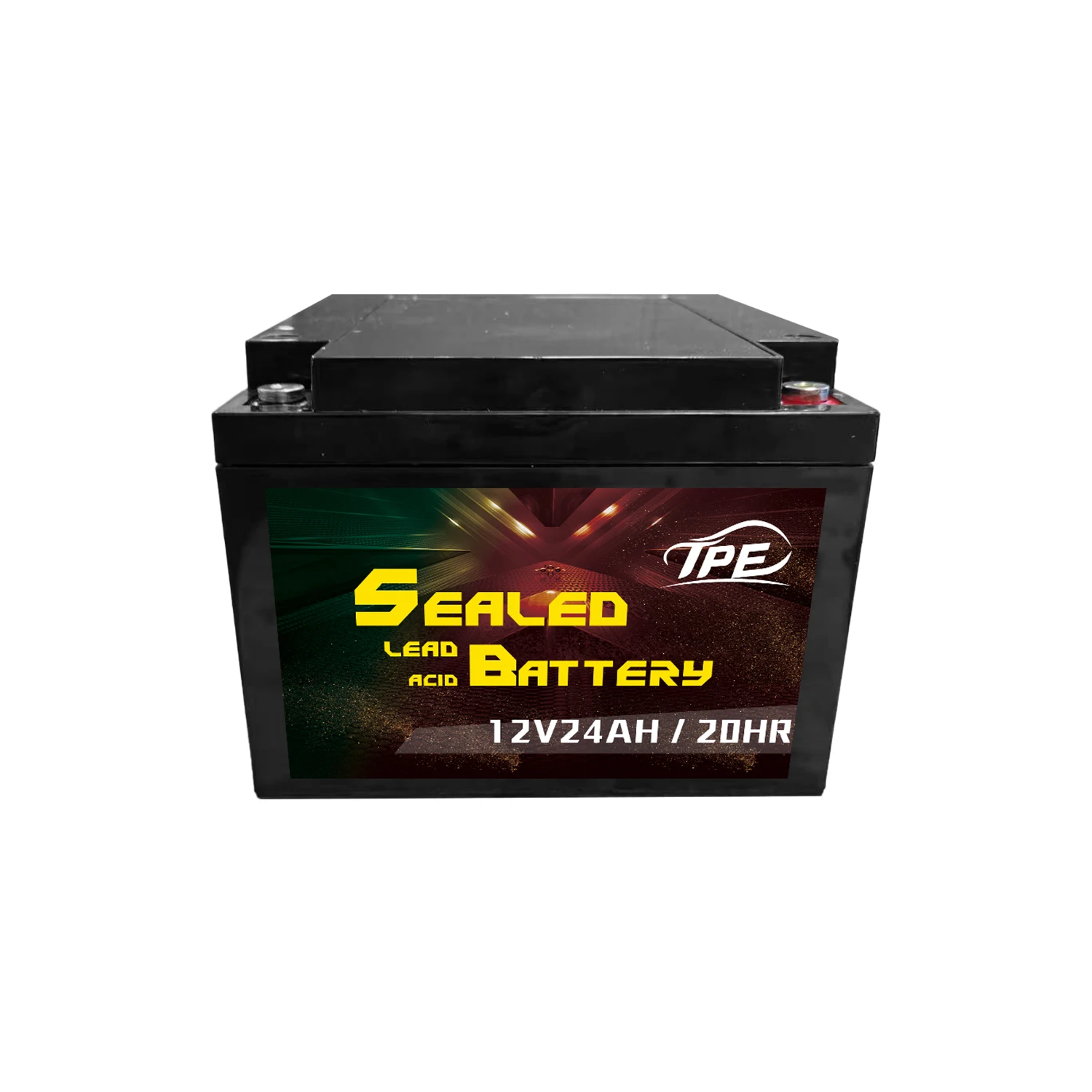
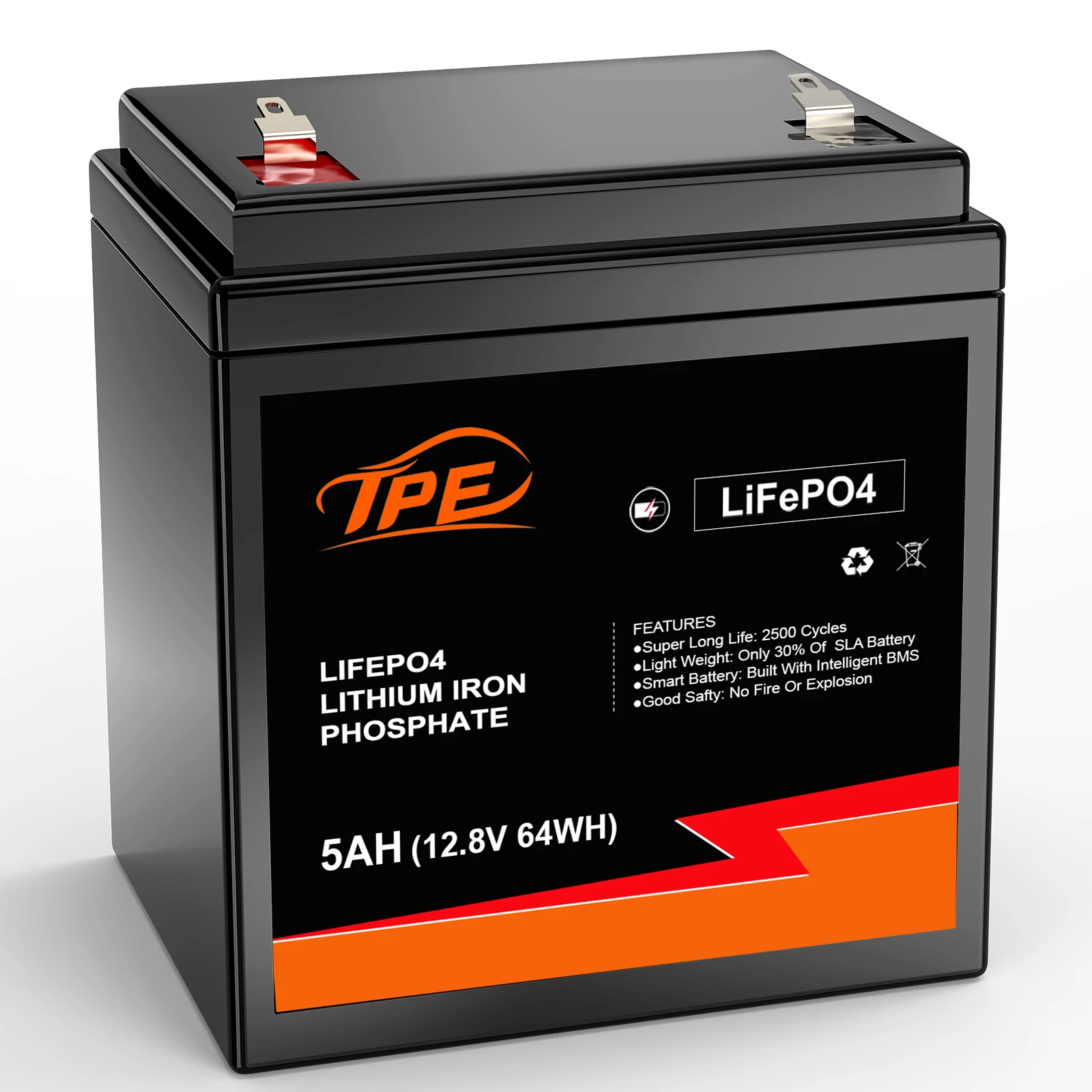
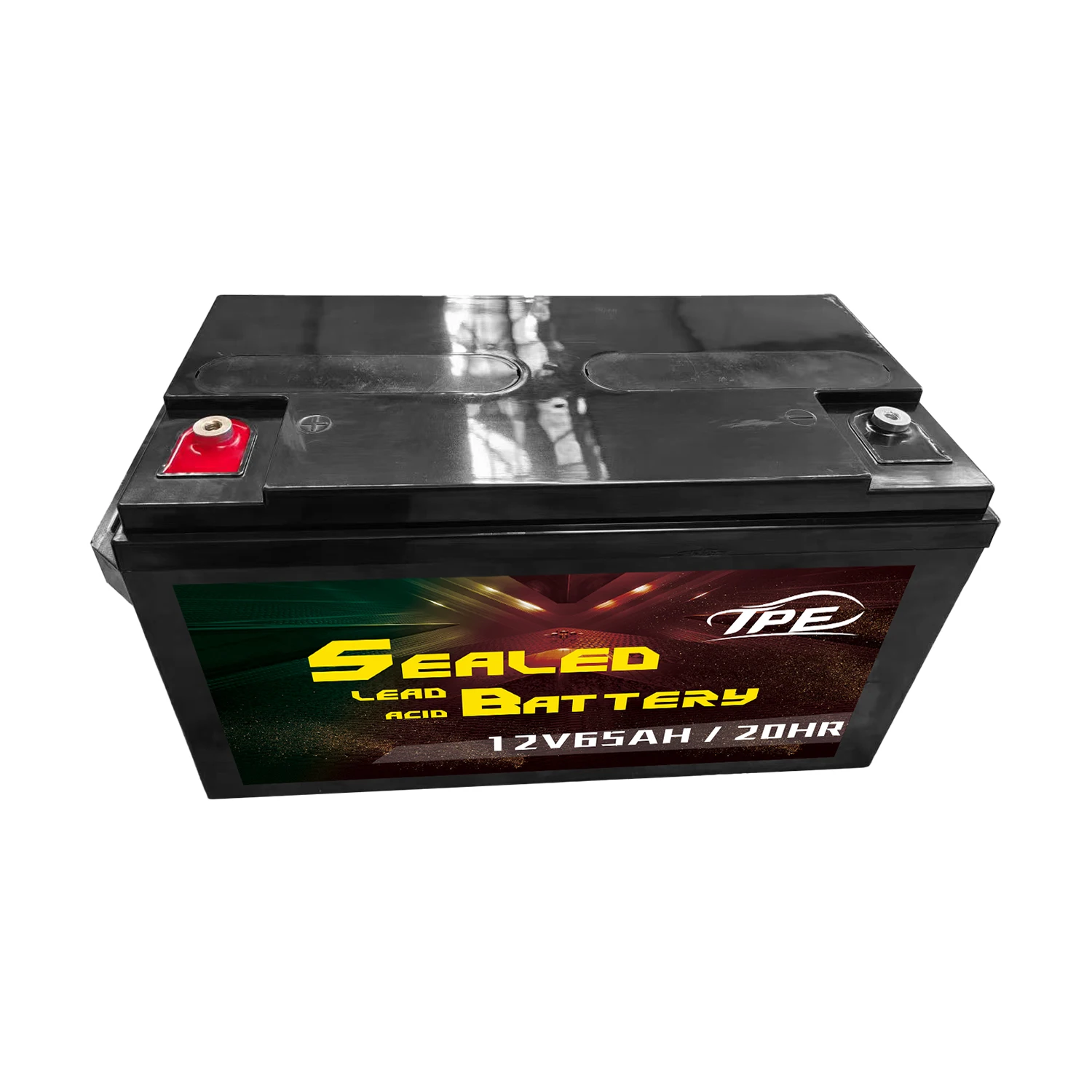
Battery chemistry optimization: From early lead-acid batteries to mainstream lithium iron phosphate (LFP) batteries, and then to the technological exploration of ternary lithium batteries, energy density, cycle life, and safety have continued to improve. For example, the cycle life of LFP batteries has increased from approximately 2,000 cycles in 2010 to over 6,000 cycles today, significantly reducing the lifecycle cost per unit of energy storage.
Material Innovation and Process Improvement: Innovations in cathode materials (e.g., high nickel content and cobalt-free), anode materials (e.g., silicon-based anodes), and electrolytes (high voltage and wide temperature range), as well as the application of manufacturing technologies such as dry electrodes and stacking processes, have significantly improved production efficiency and reduced material loss.
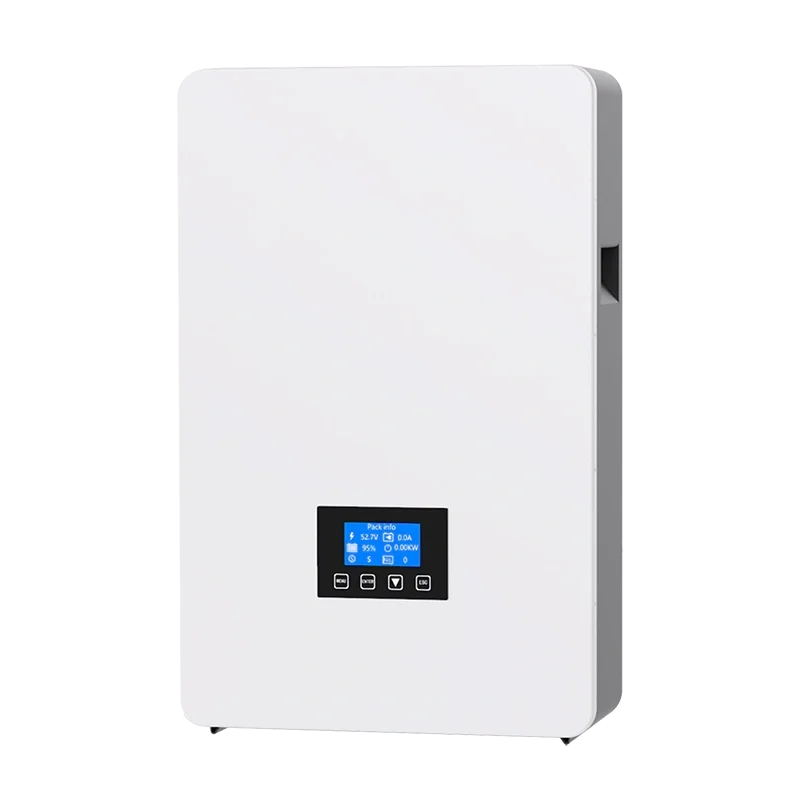
Breakthroughs in System Integration Technology: Energy storage systems have evolved from a simple "battery stack + inverter" combination to intelligent integrated solutions encompassing a battery management system (BMS), energy management system (EMS), and thermal management system. This has improved overall energy conversion efficiency and safety, indirectly reducing operation and maintenance costs.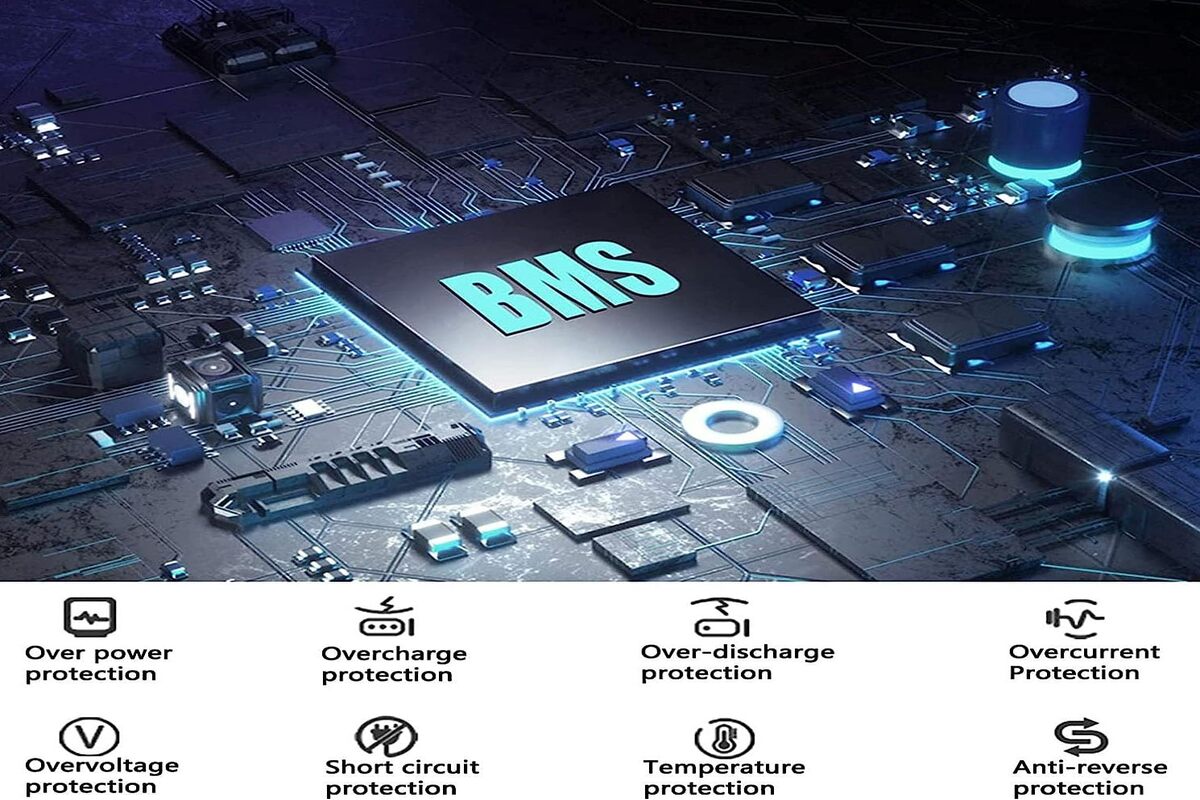
II. Scale Effect: From "niche pilot" to "mass market," a quantitative to qualitative shift
The large-scale development of the energy storage industry is another key driver of drastic cost reductions, operating on a similar logic to "Swanson's Law" in the photovoltaic industry.
Expansion of Production Scale: With the surge in global new energy installations (especially photovoltaic and wind power), demand for energy storage as a supporting infrastructure has exploded, driving rapid expansion of battery production capacity. By 2022, global lithium battery production capacity had increased more than tenfold compared to 2015, and unit fixed costs (such as equipment depreciation and R&D amortization) have significantly decreased due to economies of scale.
Supply Chain Maturity and Intensified Competition: Countries such as China, South Korea, and Japan have established a comprehensive energy storage industry chain, encompassing upstream lithium, cobalt, and nickel resource extraction, midstream battery manufacturing, and downstream system integration. Competition is robust across all links, forcing companies to enhance their competitiveness through technological innovation and cost control.
Standardized and Modular Design: Energy storage products are shifting from customization to standardized and modular designs (such as containerized energy storage systems), reducing design, production, and installation costs while improving compatibility and scalability.
III. Policy Drive: From "Subsidy Incentives" to "Market Mechanisms"
Policy support from countries around the world provides a safety cushion for the initial development of the energy storage industry and drives its maturity through market-based mechanisms.
Subsidies and Tax Incentives: Policies such as the US Inflation Reduction Act, the EU Green Deal, and China's New Energy Consumption Responsibility Weight have lowered the initial investment threshold for energy storage projects through investment subsidies, per-kilowatt-hour subsidies, and tax exemptions.
Mandatory Support and Grid Connection Requirements: Many countries have introduced policies requiring new energy projects to include energy storage (for example, China requires some photovoltaic projects to include 15%-20% energy storage), directly driving demand. Furthermore, the clarification of grid connection and safety standards for energy storage systems has reduced market uncertainty.
Improving Power Market Mechanisms: The establishment of ancillary service markets (such as frequency regulation and peak shaving), capacity compensation mechanisms, and electricity pricing mechanisms (such as widening the gap between peak and off-peak electricity prices) have transformed energy storage from a "cost item" to a "revenue generator," with market-based benefits driving cost reductions.
IV. Expansion of Application Scenarios: Exploding Demand from "Single Backup" to "Multiple Values"
Energy storage applications have expanded from its early focus on emergency backup power to diverse areas. The breadth and depth of demand are driving market expansion.
Energy Storage for New Energy: The intermittent and volatile nature of photovoltaic and wind power has driven demand for integrated wind, solar, and storage. Energy storage, as a core means of smoothing fluctuations and increasing energy consumption, has become a critical requirement for new energy projects.
Grid-side Energy Storage: Used for peak-to-valley shifting, black starts, and delaying grid upgrade investments. Energy storage's role as a grid stabilizer is particularly prominent in grids with a high proportion of new energy.
User-side Energy Storage: Industrial and commercial users reduce electricity costs through "peak-valley arbitrage" (taking advantage of the difference in peak and valley electricity prices to store and discharge electricity) and demand-based electricity management. Demand for household energy storage (e.g., in Germany and Australia) has surged amid the energy crisis.
Emerging Applications: Integrated photovoltaic, storage, and charging stations, off-grid energy storage (e.g., power supply in remote areas), and virtual power plants (VPPs) are further expanding the market.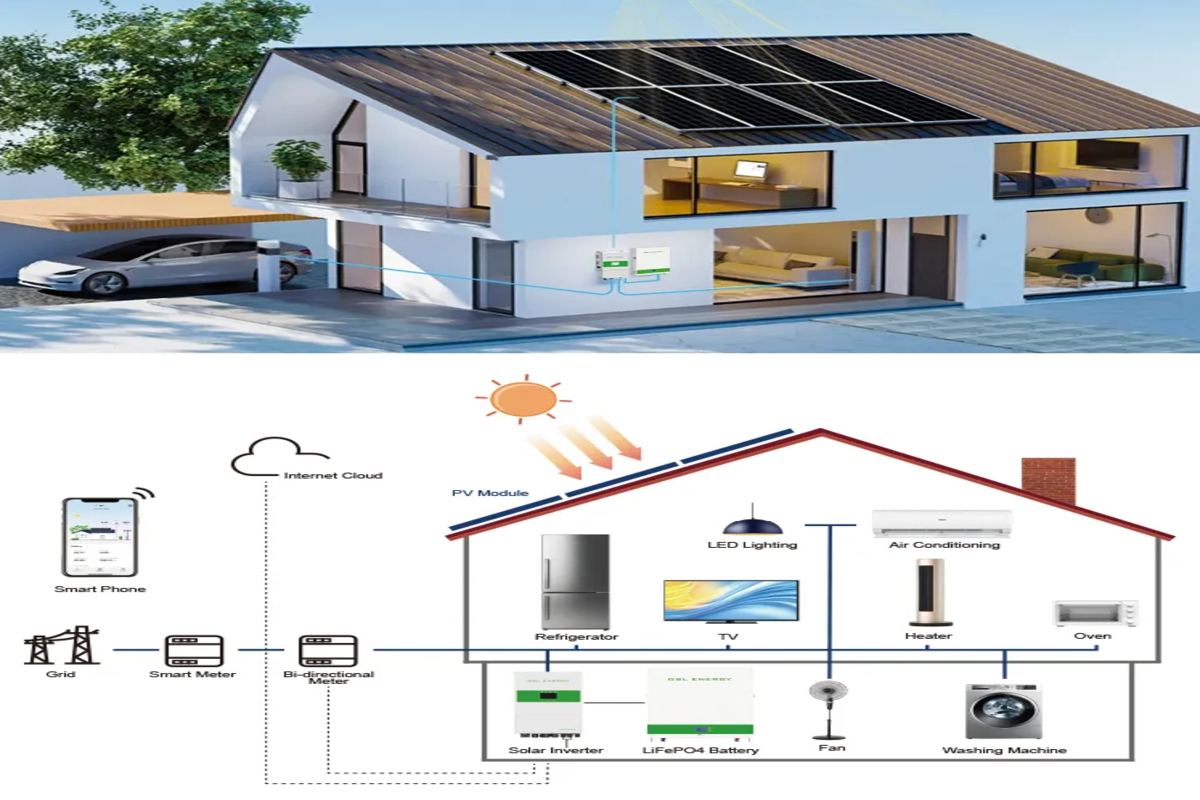
V. Capital Influx: Emerging from "Venture Capital" to "Industrial Capital" to Enable the Full Cycle
Continuous capital investment provides financial support for energy storage technology research and development and industry expansion, accelerating the "technology-product-market" transition.
Early-stage venture capital (VC/PE): In the early stages of the energy storage industry's commercialization, venture capital poured in to support startups' R&D (e.g., solid-state batteries, flow batteries, and other new technology paths), pushing the technology from the laboratory to industrialization.
Industrial capital integration: Traditional energy companies (e.g., BP, Shell) and power equipment giants (e.g., Siemens, ABB) merged technology, channels, and financial resources through mergers and acquisitions of energy storage companies or established their own energy storage businesses, accelerating the industry's maturity.
Facilitated capital market financing: Energy storage companies raised funds through IPOs, green bonds, REITs, and other means, reducing financing costs and providing support for large-scale capacity expansion and R&D investment.
Summary: The underlying logic behind the sharp drop in energy storage costs and the market boom
The 89% drop in energy storage costs is the result of the synergy of five factors: technological advancement (internal factor) + economies of scale (external factor) + policy support (catalyst) + booming demand (pull force) + capital empowerment (accelerator)." This process not only confirms the industry's principle of "technology-driven, cost reduction, demand expansion, economies of scale, and further cost reduction," but also signals the evolution of energy storage from a "new energy accessory" to a "core hub of the new power system."
In the future, with breakthroughs in new technologies such as solid-state batteries and flow batteries, and the advancement of global carbon neutrality goals, the energy storage market is expected to grow from a "hundred-billion-dollar" market to a "trillion-dollar" market, becoming a key engine of the global energy revolution.
 Hot News
2025-09-03
2025-05-16
2025-08-26
2025-09-02
TPE Electronic Technology manufactures custom lithium, AGM, and deep-cycle batteries for EVs, automotive, and energy storage. ISO9001/CE/UL certified. Global supply chain. Request a quote today.
Room 605, Dreamland Times Building,Heping Road East, Long Hua Town, Long Hua District, Shenzhen, China
Copyright © 2025 by TPE Electronic Technology Co., Ltd. Privacy Policy
 EN
EN