 EN
EN

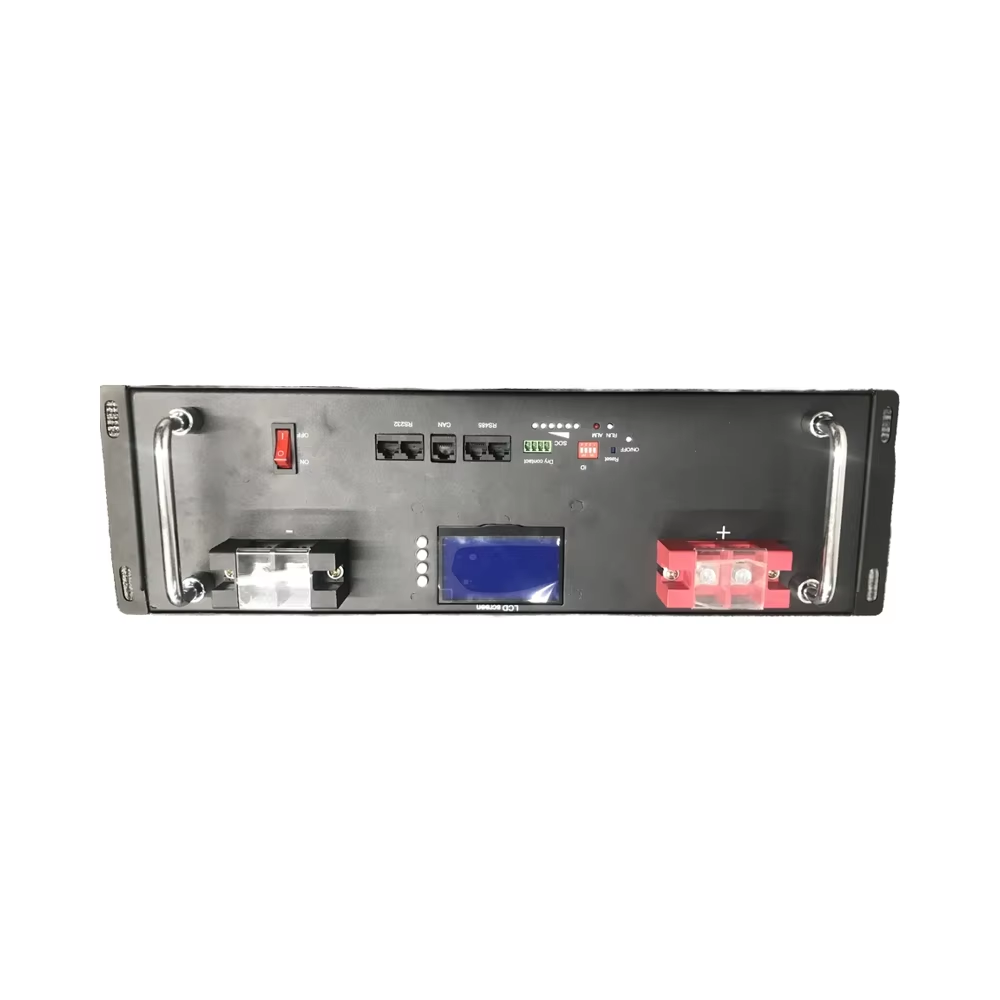
Decoding Modern Lawn Equipment Power Systems
Stepping outside to tidy up the yard should feel satisfying, but nothing kills your momentum quite like hearing the motor die right in the middle of a thick patch of grass. For the longest time, traditional lawn mowers and garden tractors relied on basic starter batteries while gas engines did all the heavy lifting. Fast forward to today, and that landscape has completely shifted. Propelled by tightening environmental regulations and major breakthroughs in energy storage engineering, cordless electric outdoor tools have firmly taken over as the go-to choice for homeowners and landscaping crews alike. At the very core of this quiet backyard revolution sits the modern lawn battery unit. Getting a firm grasp on standard voltage setups is no longer just random technical trivia—it is the single most important detail when you want maximum cutting power, reliable runtime, and zero headaches during weekend yardwork.
Common Voltage Tiers Found in Mowers and Tractors
When you start shopping around for a replacement power pack or looking to upgrade your gear, you will immediately notice that voltage ratings bounce around quite a bit depending on the machine. Classic ride-on garden tractors historically used standard twelve-volt lead-acid setups whose main job was simply turning over an internal combustion engine. However, modern lithium-powered walk-behind mowers usually run on twenty-four or forty-volt platforms, striking a neat balance between lightweight handling and solid push power for typical residential yards. Moving up into mid-tier push mowers or heavy-duty handheld trimmers often brings you into the fifty-to-sixty-volt range. Meanwhile, commercial zero-turn mowers and heavy utility vehicles demand serious high-voltage setups stretching well past eighty volts to deliver the immense torque needed to spin massive cutting blades through tall, damp grass without bogging down.
Real-World Field Experience and Workload Matching
Ask any professional landscape contractor about their gear, and they will tell you a classic story: choosing equipment purely based on flashy marketing voltage numbers instead of matching the juice to the actual daily grind. Out in a normal suburban yard, a standard forty-volt setup cruises along effortlessly with plenty of margin to spare. But professional crews servicing multiple large commercial properties every single day face completely different operational pressures. Field experience shows that commercial-grade eighty-volt and modular multi-pack systems prevent overheating, stop thermal throttling, and keep blade speeds rock steady during peak growing seasons. Matching the correct voltage tier to your actual workload keeps cells from wearing out prematurely, eliminates frustrating mid-job shutdowns, and ensures your equipment powers through from morning until quitting time.
Power Delivery, Voltage Sag, and Chemical Stability
Behind every dependable lawn battery unit lies a fascinating mix of electrochemistry and smart electronic control. One major technical hurdle in high-drain outdoor gear is voltage sag—that sudden, temporary dip in power when the motor hits heavy resistance, like a thick clump of weeds. Top-tier lithium iron phosphate or high-discharge lithium-ion configurations keep that sag to an absolute minimum, ensuring the motor gets a steady stream of juice right up until the tank is empty. Working alongside the chemistry, an intelligent battery management system quietly monitors individual cell voltages, temperature thresholds, and discharge currents in real-time. This behind-the-scenes engineering prevents thermal runaway, stops over-discharge, and guarantees years of safe, reliable operation even when the weather turns punishingly hot.
Economic Value and Long-Term Efficiency
Looking at energy storage from a pure cost perspective means looking past the initial sticker price and calculating the actual total cost of ownership. Old-school lead-acid batteries might seem cheap at first glance, but they wear out fast, demand constant fluid top-ups, and usually need replacing every couple of seasons. High-voltage lithium battery units completely turn that dynamic around by delivering thousands of deep charge cycles with virtually zero routine maintenance. For commercial landscaping businesses, this translates directly to lower operational expenses, zero fuel or oil overhead, and far less lost time sitting around waiting on equipment service. Investing in advanced, high-voltage energy storage ultimately secures faster financial payback and dependable day-to-day productivity for property service providers everywhere.
Engineering Excellence and Supply Reliability with TPE
Stepping up into the world of high-performance outdoor power equipment takes more than just decent chemistry—it requires a manufacturing and supply chain partner with genuine global muscle. TPE has earned a stellar industry reputation by pairing advanced automated production floors with strict international quality standards and rock-solid supply chain logistics. Whether building customized high-voltage battery packs for heavy commercial zero-turn mowers or reliable modular power units for residential gear, TPE bridges the gap between top-tier engineering design and scalable manufacturing capability. Through rigorous safety testing, stable chemical formulations, and dependable global delivery networks, TPE continues to empower brands around the world to build the future of clean, highly efficient outdoor power tools.